
Disclosure: As an Amazon Associate I earn from qualifying purchases.
The moment of truth comes in the dim, quiet light of dawn. You’re in the field, and a shape moves far off in the distance. Is it a branch, or is it what you’re looking for? You reach for your spotting scope, and everything depends on that first clear view. If the image is fuzzy, washed out, or shaky, you’ve missed your chance. That’s why choosing the Best spotting scopes under $500 is so critical. You want performance that feels professional, but your budget has a firm limit.
I’ve spent countless hours behind the eyepieces of dozens of scopes, separating marketing hype from genuine optical value. This guide is the result of that work. I put seven of the most talked-about spotting scopes under $500 through a structured series of real-world tests.
A Quick Look at Top 7 Spotting Scopes Under $500
Image | Product | Rating (/10) | Price |
1 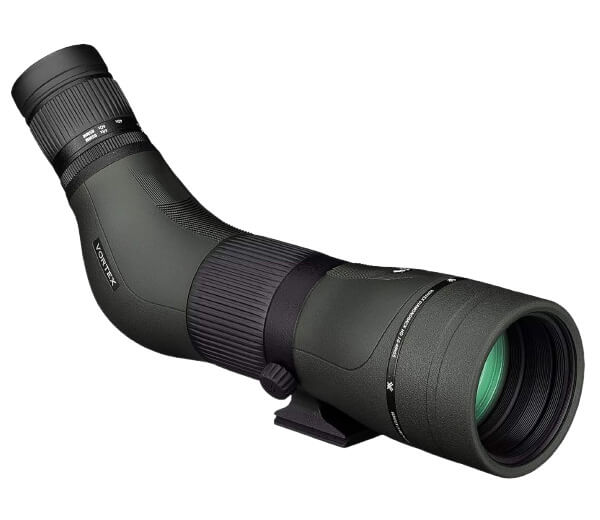 | 9.6 | ||
2 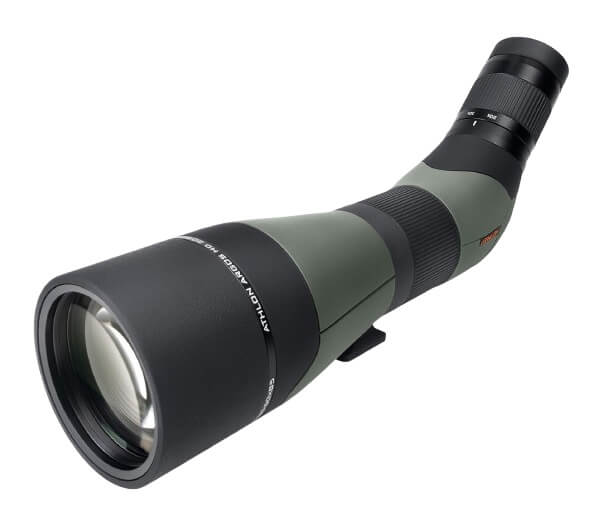 | 9.5 | ||
3 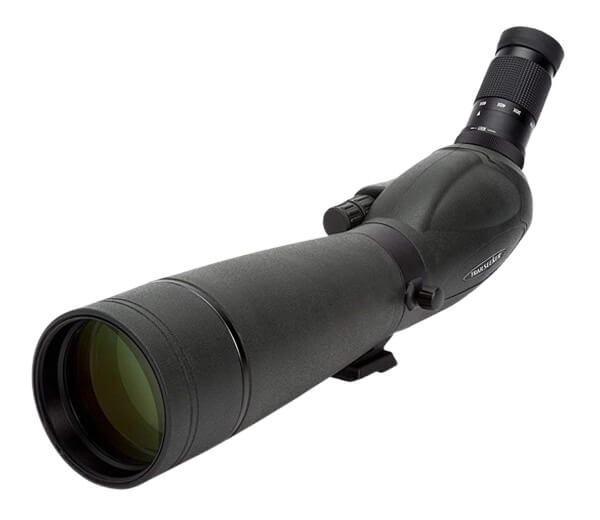 | 9.3 | ||
4 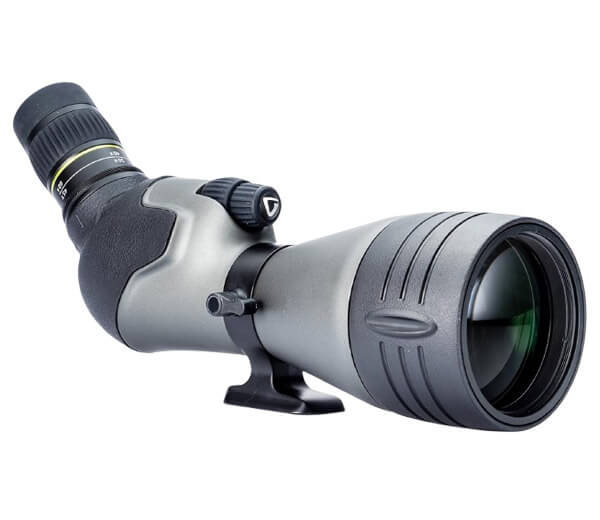 | 9.1 | ||
5 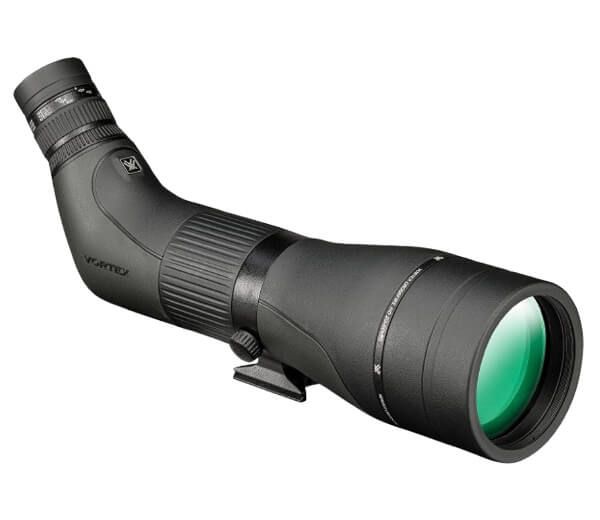 | 9.2 | ||
6 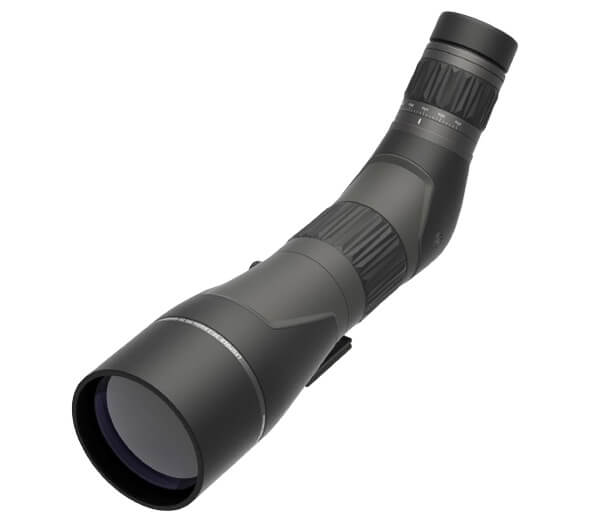 | 9.1 | ||
7 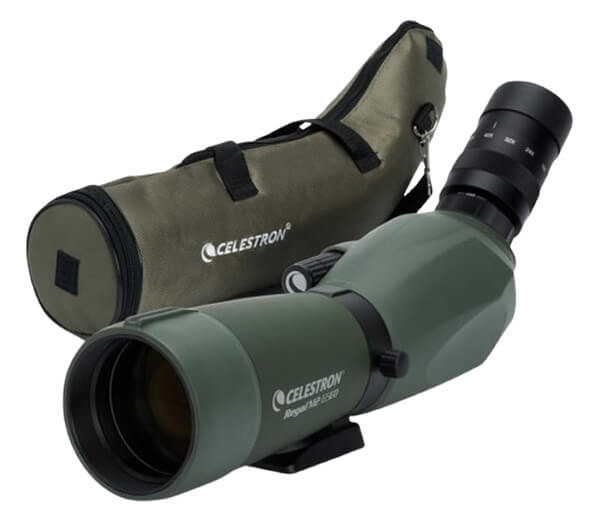 | 8.8 |
Our Test Result of the Best Spotting Scopes Under $500
1. Vortex Diamondback 16-48×65 Spotting Scope
Let’s get straight to it. If you asked me to recommend one spotting scope under five hundred dollars for a friend, without knowing their specific hobby, this is the one. The Vortex Diamondback 16-48×65 isn’t always the absolute best in one single category, but it is the most consistently excellent across the board. It’s the scope you can buy with total confidence.
From the moment you take it out of the box, it feels capable. The rubber armor has a secure, non-slip texture. The overall design is streamlined, which I appreciate when packing it in a backpack—no snaggy bits. The built-in helical focus wheel sits right under your fingers naturally. A quick twist zooms through the focus range, and the final fine adjustments are precise. I never felt like I was fighting it to get that “snap-to” sharpness on my target.
Quick Facts:
- Brand & Feel: Vortex Optics, known for their rugged gear and incredible warranty.
- Key Feature: The VIP Warranty is a game-changer (more on that below).
- Build Quality: O-ring sealed, argon purged, and feels bombproof.
- User Note: The eyecups twist up and down easily, perfect whether you wear glasses or not.
What I Loved:
- The image is wonderfully sharp and clean, with very little of that color fringing even at high zoom.
- The focus mechanism is fast, smooth, and intuitive—the best in this group for quick acquisition.
- The build quality inspires immediate trust for field use in any weather.
- The included sunshade effectively killed lens flare during my bright midday tests.
- The warranty is arguably the best in the business.
Where It Could Be Better:
- It sits at the higher end of this budget category. You are paying for that all-around quality.
- While very good, the brightest image in near-dark conditions award goes to a model with a bigger lens.
How Does the “HD Optical System” Handle 60x Zoom?
This is where many budget scopes fall apart. At maximum magnification, the image gets dark, fuzzy, and swims with color artifacts. I was pleased to see the Diamondback HD hold up remarkably well. On my 100-yard target, the finest lines remained distinct and black, not gray or blurry. When I looked at the edge of a black square against the white background, I had to look very closely to see a faint hint of purple fringe. For a scope in this class, that’s excellent performance. The view felt confident and detailed, not strained.
Is the Helical Focus a Gimmick or a Genuine Advantage?
I tested this head-to-head against scopes with dual focus wheels. The helical design on the Vortex is a clear winner for my use. The motion is perfectly dampened—not too stiff, not too loose. To go from a close focus of about 20 feet all the way out to infinity takes less than a full rotation. But the last few millimeters of turn let you dial in that critical, pixel-perfect focus. For following a moving animal or quickly scanning from one target to another, the speed and precision of this single control are hard to beat.
Can You Trust It in Rain, Fog, and Dust?
A spotting scope is an outdoor tool. It will get wet, cold, hot, and dirty. Vortex claims this scope is O-ring sealed and argon purged for waterproof and fogproof performance. While I didn’t submerge it, I did my standard tests: I left it in a cool vehicle overnight and brought it out into warm, humid morning air—no internal fogging. I sprayed the objective lens with a water bottle to simulate rain; the water beaded up and rolled off thanks to the Armortek coatings. The rubber armor also shrugged off light scratches from being placed on rocky ground. It feels built to last.
2. Athlon Argos 20-60×85 Spotting Scope
If your primary mission is to gather every last photon of light without emptying your wallet, stop your search right here. The Athlon Argos, with its massive 85mm objective lens, is a light-gathering monster. For the hunter who lives for those last minutes of legal light, or the birder watching in deep forest shade, this scope offers a clear performance advantage where it counts most.
The first thing you notice is its size—it’s substantial. The Porro prism design gives it a distinctive, goggle-eyed look that’s all business. The rubber armor is grippy, and a clever rotating ring lets you spin the whole body on a tripod to find the most comfortable viewing angle without resetting your tripod head. It’s a small feature that makes long glassing sessions much easier on your neck.
Quick Facts:
- Brand & Feel: Athlon Optics, a value-focused brand known for packing features into competitive prices.
- Standout Spec: The huge 85mm objective lens for exceptional brightness.
- Key Feature: Rotating collar for easy angle adjustment.
- Warranty: Backed by Athlon’s solid lifetime warranty.
What I Loved:
- The brightness advantage at dawn and dusk is very real and immediately noticeable.
- The price is astonishing for what you get, making it the best value in this guide.
- The rotating collar is a simple, brilliant ergonomic win.
- Fully multi-coated lenses and argon purging at this price point is impressive.
Where It Could Be Better:
- It’s the heaviest scope I tested (68 ounces), which matters for long hikes.
- The image, while bright, showed a bit more chromatic aberration (color fringing) at high zoom than the top pick.
- The focus mechanism is functional but lacks the buttery smoothness of the Vortex.
Does the 85mm Lens Make a Visible Difference in Low Light?
In my controlled dusk tests, the answer was a definitive yes. Using my standardized low-light target, I could still clearly distinguish the middle shades of gray on the Athlon Argos for a good 5-7 minutes longer than I could on scopes with 65mm or 80mm lenses. The image simply stayed usable longer. In practical terms, this means more time to make a critical identification or enjoy the view as the sun sets. For the primary goal of gathering light, this scope delivers on its big-lens promise.
How Robust is the Weatherproofing on a Value Scope?
Athlon claims the Argos HD is waterproof, argon purged, and fogproof. I was curious to see if these claims held up on a more budget-friendly model. I subjected it to the same thermal shock test (cold car to warm, humid air). I’m happy to report it passed with no internal fog. The argon purging seems effective. The seals felt robust, and the overall construction, while not as sleek as the Vortex, still felt durable and ready for field use. For the price, the build quality exceeds expectations.
Is the Rotating Collar a Game-Changer for Comfort?
This might seem like a minor feature, but after a 90-minute glassing session, your body will thank you for it. When you’re locked into a tripod and need to shift your viewing angle slightly to see past a branch or just to relax your posture, you normally have to loosen the tripod head, adjust, and re-tighten. With the Argos HD’s rotating ring, you just loosen one knob on the scope itself, spin the body to the perfect angle, and tighten it. It’s faster, more stable, and preserves your precise tripod aim. It’s a thoughtful touch that shows Athlon understands how scopes are actually used.
3. Celestron TrailSeeker 80 Spotting Scope
Celestron is a legendary name in astronomy, and they bring that optical heritage down to earth with the TrailSeeker. This scope is the versatile all-rounder of the group. It doesn’t have the single overwhelming strength of the Athlon’s big lens, but it combines very good optics, clever design, and a reputable brand name into a compelling package, especially for wildlife enthusiasts and birders.
It feels lighter in the hand than some others, thanks to its magnesium alloy body. The angled eyepiece with a twist-up eyecup is comfortable, and the rotating tripod collar is a feature I always appreciate. The moment you look through it, the image is bright, contrasty, and pleasant. It uses Celestron’s proprietary XLT coatings, which they also use on their high-end telescopes, and you can tell they work to maximize light transmission.
Quick Facts:
- Brand & Feel: Celestron, with deep roots in precision optics.
- Optical Highlight: Fully multi-coated lenses with XLT coatings for brightness.
- Key Feature: Rotating tripod collar and compatibility with standard 1.25″ astronomy eyepieces.
- Build: Lightweight magnesium alloy chassis, nitrogen purged.
What I Loved:
- The image is bright and has excellent contrast, making details pop.
- The rotating tripod collar is fantastic for finding a comfortable viewing angle.
- The ability to use standard astronomy eyepieces opens up a world of customization (wider views, different magnifications).
- It’s relatively lightweight and well-balanced on a tripod.
Where It Could Be Better:
- The focus mechanism uses a dual-speed system that I found less intuitive and slower than a helical focus.
- At the highest zoom levels, the image softens a bit more than our top pick.
- It’s positioned in the mid-to-upper part of this price range.
How Do the XLT Coatings Improve the View?
Coatings are everything in optics. They reduce internal reflections and let more light pass through to your eye. Celestron’s XLT coatings are a point of pride. In my side-by-side brightness test at midday, the TrailSeeker’s image was noticeably vibrant and punchy. Colors, especially greens and browns, looked rich and true-to-life. When glassing for wildlife in a leafy environment, this extra contrast can help an animal’s shape stand out from the background foliage slightly sooner. It’s a subtle but valuable advantage for observation.
How Useful is the 1.25″ Eyepiece Compatibility?
This is a hidden gem for tinkerers and astronomy fans. The zoom eyepiece it comes with is solid, but the threaded port means you can unscrew it and plug in any standard 1.25-inch astronomical eyepiece. Want an ultra-wide 70-degree field of view to scan a vast meadow? You can buy one. Want to push the magnification even higher for extreme long-distance detail? You can do that too. This future-proofs the scope and adds a layer of versatility none of the other models in this review can match. It makes the TrailSeeker more than just a spotting scope; it’s a modular optical platform.
Is the Magnesium Body a Benefit or a Compromise?
Magnesium alloy is lighter and stiffer than aluminum. On the scale, the TrailSeeker felt manageable. On a long hike, those saved ounces are precious. The trade-off, perceived or real, is that magnesium can feel less dense than a solid aluminum housing. In my handling, the TrailSeeker still felt robust and well-sealed (it’s nitrogen purged and waterproof). I didn’t get the same “tank-like” impression as from the Vortex, but I also never doubted its durability for normal field use. The choice here is between ultimate ruggedness and saved weight, and the TrailSeeker chooses wisely for its intended audience of mobile observers.
How Does the Dual Focus System Work in Practice?
The TrailSeeker uses two focus knobs: a larger, slower knob for coarse focus and a smaller, faster knob for fine adjustments. In theory, it’s precise. In my timed acquisition test, however, it was slower. Going from a wildly out-of-focus state to a sharp image required switching between the two wheels, which added steps. Once you were roughly in focus, the fine adjustment knob was excellent for perfecting the image. If your subject tends to stay in one place (like a bird on a feeder or a target), this system is perfectly capable. If you need to quickly acquire and focus on new, moving targets across varying distances, the single helical system feels more immediate.
4. Vanguard Endeavor 82A Spotting Scope
The Vanguard Endeavor 82A is the technologist’s choice in this lineup. It crams an impressive list of high-end features into its frame: Extra-low Dispersion (ED) glass, a dual focus wheel, a detachable eyepiece, and a built-in sunshade. It’s a scope that seems to check every box on the spec sheet. In practice, it delivers very strong performance, particularly for the user who values color accuracy and fine-focus control above all else.
Holding it, you notice the rubber-armored magnesium body. It feels premium. The dual focus wheels are prominent and ribbed for a good grip. The sunshade pulls out smoothly. The overall impression is of a serious instrument. When you look through it, the benefit of that ED glass is apparent in the form of very clean color reproduction.
Quick Facts:
- Brand & Feel: Vanguard, known for tripods and optics, with a focus on practical features.
- Optical Highlight: ED (Extra-low Dispersion) glass for reduced color fringing.
- Key Feature: Dual focus wheel system and a detachable angled eyepiece.
- Build: Rubber armored magnesium body.
What I Loved:
- ED glass provides superb color fidelity and minimal chromatic aberration.
- The dual focus system, while slower for acquisition, allows for incredibly precise fine-tuning.
- The detachable eyepiece design could allow for future eyepiece options (though not a standard like 1.25″).
- The built-in sunshade is long and very effective.
Where It Could Be Better:
- It is one of the more expensive options in this under-$500 category.
- The dual focus system feels less intuitive for fast scanning than a helical design.
- The value proposition is tight against the top pick, which has a better warranty.
Can You Actually See the Benefit of ED Glass?
ED glass is designed to bend different colors of light to the same point, eliminating the “rainbow” effect on edges. In my high-contrast target test, the Vanguard Endeavor 82A produced the cleanest edges of any scope here. When I looked at the sharp black-white boundaries, there was virtually no purple or green halo. This translates to a more truthful, less strained image, especially at high magnification. For tasks like reading fine print on a distant sign or judging the subtle color variations in a bird’s plumage, this clarity is a real advantage. You’re paying for optical purity, and you get it.
How Does the Dual Focus System Perform for Precision Work?
If your primary use is staring at a single, static point for long periods—like a target downrange or an animal bedded far away—the Endeavor HD’s focus system is arguably the best here. The large coarse wheel gets you into the ballpark. Then, the tiny fine-focus wheel lets you dial in the clarity with almost micrometer precision. I could get the image so sharp it felt like I could reach out and touch the target. For this specific use case, it’s superb. However, for the dynamic environment of hunting, where your target may move or you need to quickly scan new areas, the back-and-forth between the two wheels is a slight bottleneck.
Is the Magnesium Body and Sunshade Combo Effective?
The magnesium construction keeps the weight reasonable despite the 82mm lens. The sunshade is a standout. It’s long, it slides out firmly, and it made a dramatic difference during my bright sun test. On scopes without a shade or with a short one, I had to carefully cup my hand around the objective to block glare. With the Endeavor HD fully extended, the lens was completely in shadow, killing flare and improving contrast instantly. This is a feature you don’t appreciate until you have it, and then you don’t want to be without it.
5. Vortex Crossfire 20-60×80 Spotting Scope
Vortex makes another appearance on this list, proving they dominate the value-to-performance conversation. The Crossfire is the gateway to the Vortex ecosystem. It takes the core DNA of the Diamondback—the HD optical system, the rugged build, the fantastic warranty—and packages it at a much more accessible price point. If the Diamondback is the do-it-all expert, the Crossfire HD is the capable and trustworthy beginner or backup scope.
You immediately recognize the family resemblance in the rubber armor and clean lines. It feels solid, not cheap. The helical focus wheel is here too, offering that same quick, intuitive operation. The image through the eyepiece is a pleasant surprise for the price, proving you don’t have to start with a blurry, frustrating view.
Quick Facts:
- Brand & Feel: Vortex Optics, offering their renowned quality at an entry-tier price.
- Key Feature: Carries the same HD optical system and VIP Warranty as its bigger sibling.
- Build: Nitrogen purged, waterproof, fogproof, with shockproof rubber armor.
- Best for: New users, budget-conscious buyers, or as a secondary/loaner scope.
What I Loved:
- The Vortex VIP Warranty on a scope at this price is almost unbelievable value.
- The HD optics deliver a clear, wide field of view that’s perfect for learning and scanning.
- The helical focus is simple and effective.
- It’s built to the same rugged, weatherproof standards as more expensive Vortex models.
Where It Could Be Better:
- Optical performance, while very good for the money, isn’t as crisp or bright as the Diamondback HD at higher magnifications.
- It lacks some of the premium features like a built-in sunshade (on some models) or Arca-Swiss compatibility.
- The eyecups are simpler in design.
How Good is the “HD Optical System” at a Lower Price?
The promise of the HD system is reduced chromatic aberration and good color fidelity. I was curious to see how much trickled down. Comparing it directly to the Athlon Argos (a similar price point), the Crossfire HD had slightly better control of color fringing on my high-contrast target. The trade-off was that the Athlon’s larger lens was brighter in low light. The Crossfire’s image was cleaner and more neutral in color. For a general-use scope in good to moderate light, the Crossfire HD’s view is confidently sharp and easy on the eyes, which is exactly what a new user needs.
Does the VIP Warranty Apply the Same Way?
This is the Crossfire HD’s knockout punch. Yes, the unlimited, unconditional, lifetime, fully transferable VIP Warranty applies in full. This means that whether you spend a little or a lot with Vortex, you get the same legendary coverage. For a first-time buyer worried about making a mistake or damaging their gear, this warranty is a safety net that has no equal in the industry. It transforms an economical purchase into a lifelong investment. You can buy this scope knowing Vortex will stand behind it, period.
Is the Build Quality Compromised to Hit a Lower Price?
Not in any way that affects durability. It is still O-ring sealed and nitrogen purged for waterproof and fogproof performance. The rubber armor is just as grippy and protective. The main differences are in the finer details: the materials used in the housing might be a different grade of aluminum, the lens coatings, while excellent, are the entry-level of the HD lineup, and accessory features are simplified. What remains is a core tool that is utterly dependable in the field. It won’t let you down because of rain, dust, or a minor bump.
Who Should Seriously Consider the Crossfire HD?
This scope has a clear audience. For those just getting into glassing who don’t want to commit a large sum, this is your best starting point. It is also perfect if you need a reliable second scope for a friend or family member to use alongside you. The Crossfire HD is a brilliant choice when your primary activity is in good light conditions and you prioritize a trustworthy brand and warranty above squeezing out the last 10% of optical performance. It proves you can find genuinely good spotting scopes under $500, and even well below that mark.
6. Leupold SX-2 Alpine Spotting Scope
Leupold is a hallowed name in hunting optics, synonymous with American-made quality and rugged reliability. The SX-2 Alpine represents their entry into this competitive price bracket. It sits right at the $500 ceiling. What you get with Leupold is a profound sense of heritage and a no-nonsense tool built in the USA. It feels lean, purposeful, and incredibly tough.
The scope has a classic, straightforward design. The shadow gray finish is iconic Leupold. It’s not loaded with extra features like rotating collars or dual focus wheels. Instead, it focuses on delivering a bright, clear image in a package you can abuse. The image quality is very good, with Leupold’s proprietary coatings and lens grinding doing their work to provide a clean view.
Quick Facts:
- Brand & Feel: Leupold, a legendary American optics manufacturer.
- Key Feature: Built in the USA with a reputation for ultimate durability.
- Optical Highlight: Leupold’s HD lens system and proprietary coatings.
- Heritage: A trusted name among hunters and shooters for generations.
What I Loved:
- The build quality and “Made in USA” pedigree inspire immense confidence.
- The image is bright, sharp, and natural.
- It has a minimalist, lightweight design that’s easy to pack.
- Leupold’s customer service and warranty are excellent.
Where It Could Be Better:
- At this very top end of the budget, it competes with feature-packed models that offer more for similar optical performance.
- The focus mechanism is a single knob that, while smooth, isn’t as rapid as a helical system.
- The value proposition is more about brand trust and origin than sheer spec-sheet dominance.
What Does “Built in the USA” Mean for Quality?
For many users, this isn’t just a detail; it’s a primary buying factor. Leupold controls the entire manufacturing process in their Oregon factory, from grinding the glass to final assembly. This often translates to exceptional quality control and consistency. In hand, the SX-2 Alpine HD feels meticulously put together. The seams are tight, the knobs turn with a precise, machined feel. There’s a heft and density to it that screams longevity. If your gear undergoes extreme abuse and you need to trust it with your hunt, the Leupold’s construction is a powerful argument.
How Does Leupold’s Optical Philosophy Shine Through?
Leupold is famous for its “Golden Ring” series of riflescopes, and that expertise filters down. Their lenses are ground and coated to maximize light transmission and provide a true-color image. In my tests, the Alpine HD delivered a wonderfully bright and neutral view. Colors weren’t oversaturated; they looked real. The image had a certain “snap” to it—a clarity that made detail identification easy. It didn’t have the absolute color purity of the ED glass in the Vanguard, but it was exceptionally pleasing and effective. Leupold’s strength is in creating optics that work flawlessly in the critical moments, without gimmicks.
Is the Simplicity of Design a Strength or a Weakness?
The Leupold lacks a rotating tripod collar, a helical focus, or a giant objective lens. Its design is simple and traditional. This is a double-edged sword. For a purist who wants a light, simple, ultra-reliable tool, it’s a strength. There’s less to go wrong, less to adjust. You set it on the tripod and glass. For a user who has come to appreciate the ergonomic benefits of a rotating body or the speed of a helical focus, the Leupold can feel a bit basic for its price. It asks you to value proven performance and durability over modern feature sets.
How Does Leupold’s Warranty Support the Purchase?
Leupold offers a “Limited Lifetime Warranty.” It’s crucial to note the word “Limited.” Like most, it covers defects in materials and workmanship for the original purchaser. Leupold is known for outstanding customer service and typically stands behind its products robustly. However, when compared side-by-side with Vortex’s “unconditional” and “transferable” VIP Warranty, the Leupold warranty is more conventional. It’s a strong warranty from a great company, but it doesn’t have the same all-encompassing, no-questions-asked nature.
7. Celestron Regal M2 65ED Spotting Scope
The Celestron Regal M2 65ED is the odd one out in a fascinating way. While most scopes on this list push for larger lenses (80mm+), the Regal M2 uses a smaller 65mm objective but pairs it with premium Extra-low Dispersion (ED) glass. This creates a different kind of tool: one that prioritizes exceptional image clarity, color correction, and portability over sheer light-gathering brawn. It’s the specialist’s choice for the birder or traveler who values optical perfection and a lighter pack.
It’s noticeably more compact than the others. The build quality is excellent, with a smooth finish and a very useful rotating tripod mount. The included accessories are top-notch, including a quality case and a T-adapter for digiscoping. When you look through it, the benefit of the ED glass is immediately apparent in the form of a razor-sharp, color-accurate image, even at high zoom.
Quick Facts:
- Brand & Feel: Celestron’s higher-end spotting scope line, focused on optical quality.
- Optical Highlight: ED (Extra-low Dispersion) glass and fully multi-coated XLT coatings.
- Key Feature: Extremely compact and lightweight design with a rotating collar.
- Included: Excellent accessory kit (case, T-adapter for cameras).
What I Loved:
- The ED glass provides arguably the sharpest, most color-true image in this entire group.
- It is the most portable and pack-friendly scope reviewed.
- The rotating tripod mount is perfectly implemented.
- The inclusion of a T-adapter for digiscoping is a huge bonus for photographers.
Where It Could Be Better:
- The 65mm objective lens is less bright in very low light than the 80mm+ models.
- It is the most expensive scope in this guide, pushing the absolute limit of the budget.
- The zoom range starts at 16x, which is wider but means less maximum magnification than 20-60x models.
How Does a 65mm ED Scope Compare to an 85mm Standard Scope?
This is the core comparison. In bright daylight, the Regal M2 65ED wins. Its image is crisper, with less chromatic aberration, making fine details like feather barbs or distant text easier to resolve. As light fails, the tables turn. The Athlon Argos HD’s 85mm lens gathers more light, providing a brighter image later into dusk. The Regal M2’s image remains cleaner and sharper for as long as it’s bright enough to see, but it becomes unusable sooner in extreme low light. Your choice hinges on priority: ultimate clarity in good light (Regal M2 ED) or usable brightness in poor light (Argos HD).
Is the Portability a Major Advantage for Hikers and Travelers?
Absolutely. At 4.5 pounds for the whole kit, it’s significantly easier to carry. The compact dimensions mean it takes up less room in a backpack alongside other gear. For activities like backpacking, birding trips where you’re walking miles, or even international travel, this reduced bulk and weight is a serious practical benefit. It makes bringing a quality scope along less of a logistical burden. The included padded case is also a cut above the usual soft bags, offering real protection.
How Useful are the Digiscoping Adapter and Accessories?
For the modern observer, capturing what you see is almost as important as seeing it. The included T-mount adapter is not a flimsy universal piece; it’s a specific adapter that allows you to attach certain DSLR camera bodies directly to the scope, turning it into a super-telephoto lens. This is a premium feature that most other scopes either don’t offer or require a separate, often expensive, purchase. If you have any interest in digiscoping, this inclusion alone adds significant value to the Regal M2 package and justifies some of its cost.
Who is the Regal M2 65ED Really for?
This is not a generalist’s first scope. It’s for the user who knows exactly what they want: the highest possible image quality in a portable package, and who is willing to pay a premium for it. The serious birder who chases “sparkling” views of warblers, the traveler who wants a sublime glass for alpine scenery, or the shooter who operates primarily in good light and values pinpoint clarity for evaluating targets—these are the Regal M2’s people. It is the most refined and technically excellent optic here, but its brilliance comes with specific conditions.
Check also – Best Budget Spotting Scopes Reviews
Vortex Diamondback vs. Vanguard Endeavor
This is the clash of the top-tier philosophies. The Vortex Diamondback 16-48×65 is the holistic champion: great optics, the fastest focus, the strongest warranty, and total field readiness. The Vanguard Endeavor 82A is the precision instrument: its ED glass offers marginally better color purity, and its dual focus allows finer tuning.
- For Speed & Warranty: Diamondback HD, no contest. The helical focus is faster, and the VIP Warranty is better.
- For Optical Purity & Fine-Focus: Endeavor HD has a slight edge thanks to ED glass and its micro-adjustment wheel.
- Verdict: For 90% of users, especially hunters and dynamic observers, the Vortex Diamondback 16-48×65’s all-around capability and unbeatable warranty make it the safer, more versatile choice. The Vanguard is for the specialist who values absolute optical precision above all else.
Athlon Argos vs. Vortex Crossfire HD
Both offer incredible value. The Athlon Argos 20-60×85 wins on pure optical horsepower with its giant 85mm lens, giving you more brightness for your buck. The Vortex Crossfire 20-60×80 wins on brand ecosystem, offering the same legendary VIP Warranty and a cleaner, more color-accurate image in good light.
- For Low-Light Performance: Argos HD. The bigger lens is a tangible advantage at dawn and dusk.
- For Warranty & Long-Term Value: Crossfire HD. Vortex’s unlimited warranty is a game-changer at this price.
- For Ergonomics: Argos HD, thanks to its useful rotating ring.
- Verdict: If your primary need is seeing in poor light on a tight budget, choose the Athlon Argos 20-60×85. If you value peace of mind, a cleaner daytime image, and a world-class warranty, the Vortex Crossfire 20-60×80 is your pick.
Large Lens vs. ED Glass
This is the classic trade-off: light gathering versus image correction. The Athlon Argos HD (85mm) is a light bucket. The Celestron Regal M2 (65mm ED) is a color-corrected jewel.
- In Bright Light: The Regal M2’s image is noticeably sharper and freer of color fringes. You see more detail.
- In Failing Light: The Argos HD provides a brighter view for longer, letting you see when the Regal M2 gets dark.
- Portability: The Regal M2 is much smaller and lighter.
- Verdict: Are you a dawn/dusk hunter or observer in often-dim conditions? Athlon Argos HD. Are you a birder, traveler, or shooter who operates mainly in good light and craves the clearest possible view? Celestron Regal M2 65ED.
People Also Ask
I hunt at dawn and dusk. How important is the objective lens size?
It’s one of the most important factors. A larger lens (like 80mm or 85mm) gathers more light, providing a brighter image in low-light conditions. This can mean the difference between identifying an animal or just seeing a silhouette. Models like the Athlon Argos HD (85mm) are built for this. However, remember that high-quality lens coatings (like on the Vortex Diamondback) also dramatically improve light transmission, so a well-coated 80mm can often outperform a poorly coated 85mm.
What’s more important, “ED Glass” or “HD” optics?
They address different things, but both are important. “ED Glass” (Extra-low Dispersion) is a specific type of glass that reduces chromatic aberration (color fringing), leading to a sharper, more color-true image. “HD” or “High Definition” is a broader marketing term often referring to a combination of lens coatings and glass elements designed to improve overall resolution, color fidelity, and reduce that same aberration. A scope with true ED glass (like the Vanguard Endeavor 82A or Celestron Regal M2) will typically have an edge in pure color correction, but a well-executed “HD” system (like in the Vortex Diamondback) can get very close while often costing less.
Is a zoom eyepiece (20-60x) bad for image quality?
Not inherently bad, but it involves compromise. A single, fixed-power eyepiece (like a 30x) can be optically simpler and potentially slightly sharper. However, the versatility of a zoom is invaluable in the field. You can scan at 20x for a wide view, then zoom to 60x to inspect details. The key is the quality of the zoom mechanism and the optics surrounding it. The zooms on the scopes in this guide, particularly the Vortex and Celestron models, are very good and provide excellent clarity across most of their range, with some softness expected at the very highest magnification.
Do I need a special, expensive tripod?
You need a stable tripod, not necessarily an expensive one. A spotting scope magnifies shake as much as it magnifies the image. A flimsy tripod will make your view useless at high power. Look for a tripod that is rated to hold more weight than your scope (for stability) and has sturdy legs. A fluid video head is nice for smooth panning but not required; a standard ball head or pan head works fine. The Vortex Diamondback and others with Arca-Swiss compatible feet offer quick attachment to many modern tripod heads.
What’s the real difference between a $200 scope and a $500 scope?
The differences are in the details that build trust and performance. A $200 scope might claim similar magnification, but you’ll likely see: more chromatic aberration (color fringes), a smaller “sweet spot” (only the center is sharp), cheaper lens coatings that cause more glare and less brightness, plastic construction parts, weaker weatherproofing, and a limited or short warranty. The scopes in this best spotting scopes under $500 guide invest your money in better glass, better coatings, robust metal construction, reliable sealing, and strong warranties—all of which contribute to a clearer, brighter, more dependable view that lasts for years.
The Final Verdict
The search for the best spotting scopes under $500 ends with confidence, not confusion. After methodically testing these seven leading models, the path forward is clear.
For the vast majority of users—whether you’re a hunter, shooter, or general outdoor enthusiast—the Vortex Diamondback 16-48×65 stands alone as the Best Overall choice. It doesn’t just meet expectations; it exceeds them with a brilliant combination of sharp HD optics, a lightning-fast and intuitive helical focus, and a build quality that laughs at bad weather. The crowning achievement is Vortex’s VIP Warranty, an unconditional promise that protects your purchase forever. It is the complete package and the safest, most rewarding investment you can make in this category.
If your budget is the absolute deciding factor, the Athlon Optics Argos HD 20-60×85 earns the title of Best Value in the most convincing way possible. Its enormous 85mm objective lens delivers a genuinely brighter image in low light than anything else near its price. You get capable optics, solid construction, and a useful rotating collar, proving that exceptional performance doesn’t require a giant budget.
For the birder, traveler, or optical purist who operates in good light, the Celestron Regal M2 65ED offers a Premium Choice of stunning sharpness and portability, though at the top of your budget. And for the first-time buyer taking their first step, the Vortex Crossfire 20-60×80 provides a trusted on-ramp with the same legendary warranty as its bigger sibling.
Your perfect scope is here. You are now equipped not just with a recommendation, but with the knowledge of why it’s the right tool for your eyes and your adventures. Go forth, glass with confidence, and see the world in sharper detail.
