
Disclosure: As an Amazon Associate I earn from qualifying purchases.
I have spent countless hours on mountain ridges at dawn, my fingers stiff with cold, and just as many afternoons lugging a heavy pack through dense brush. Every extra ounce feels like a brick, and a bulky spotting scope is often the heaviest brick of all. That’s why I became obsessed with finding gear that doesn’t make me choose between seeing clearly and moving freely.
This search led me down the path of 7 best compact spotting scopes. The promise is simple, high-performance optics you can actually carry without regret. But the reality is a maze of technical claims and big price tags. To cut through the noise, I gathered seven of the most talked-about models. I didn’t just look at them on a shelf. I took them into the field, subjected them to real-world conditions, and compared them side-by-side to find out which compact spotting scopes truly deliver.
A Quick Look at Top 7 Compact Spotting Scopes
Image | Product | Key Strength | Rating (/10) | Price |
1 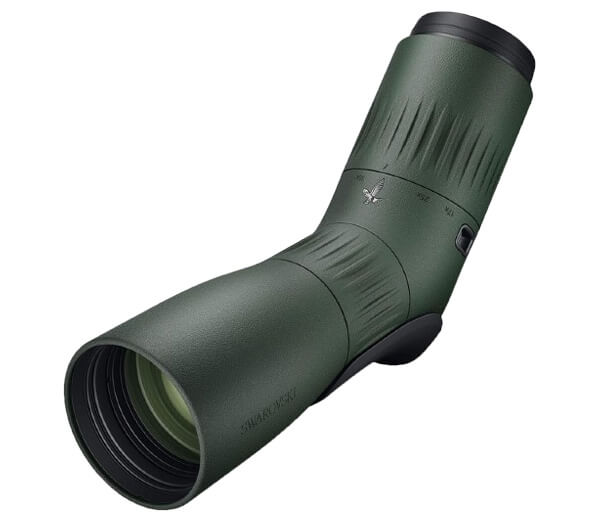 | Masterful blend of size & optics | 10.0 | ||
2 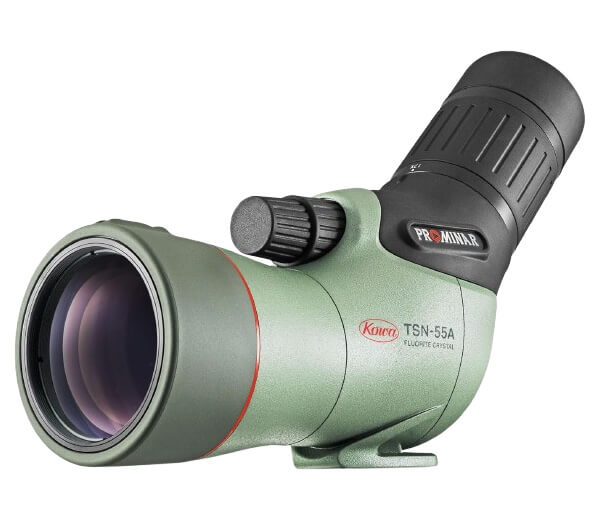 | Fluorite lens clarity | 9.7 | ||
3 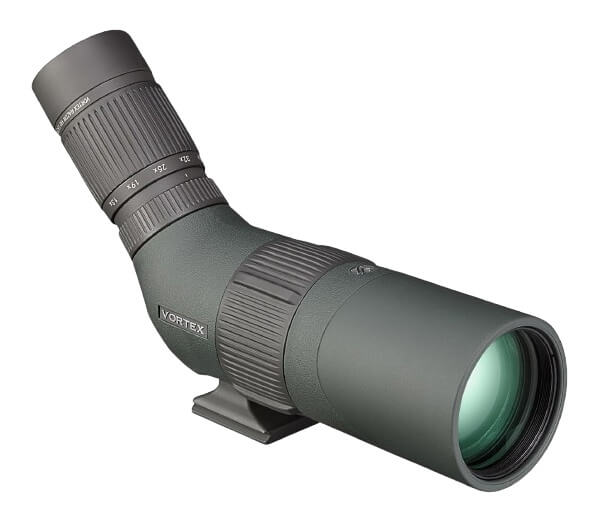 | Smart features & warranty | 9.2 | ||
4 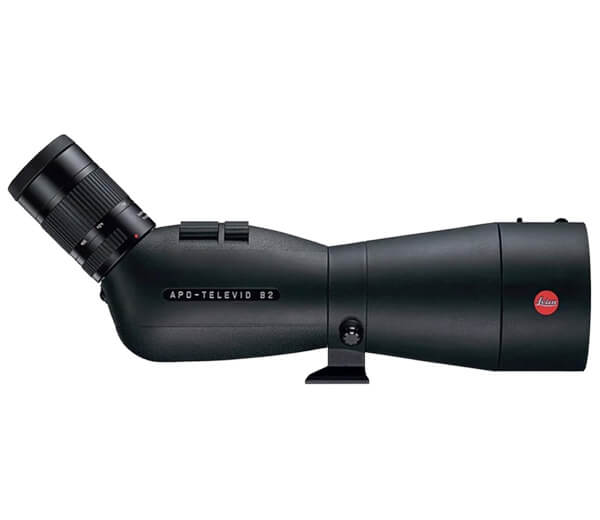 | Maximum light gathering | 9.4 | ||
5 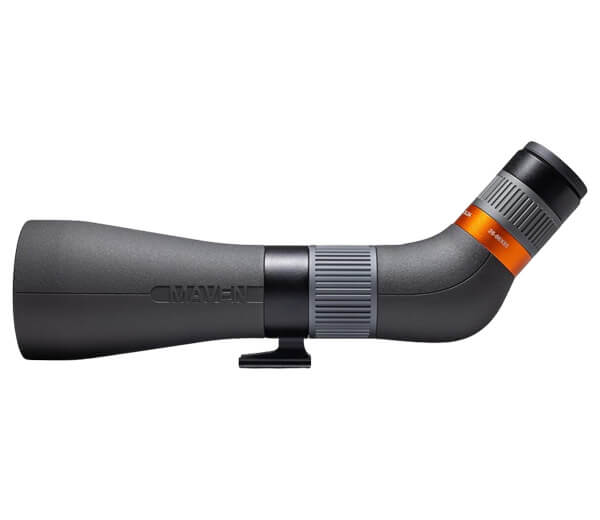 | High 66x magnification | 9.3 | ||
6 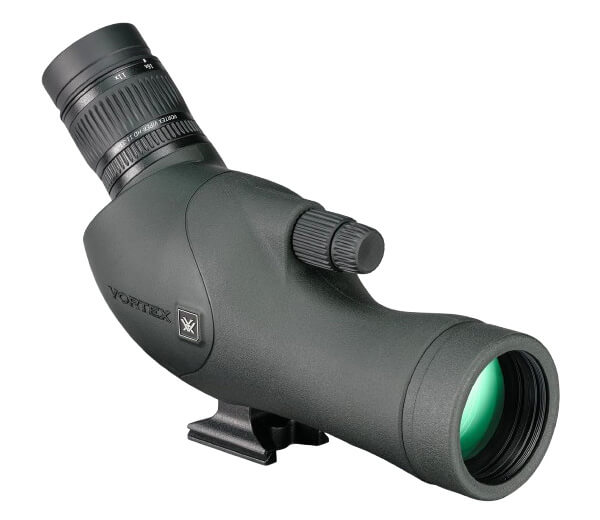 | Outstanding value & weight | 8.6 | ||
7 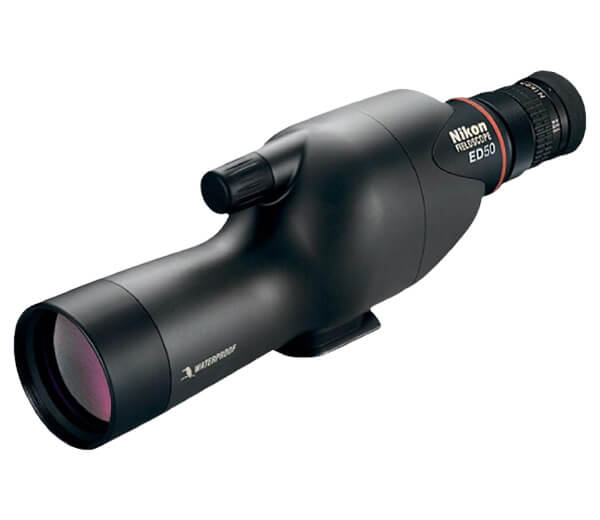 | Tiny size & straight design | 8.9 |
How I Put These Compact Spotting Scopes to the Test
Before we dive into the individual reviews, it’s important to know how I arrived at my conclusions. I believe a review is only as good as its methods. To ensure a fair and useful comparison, I tested every spotting scope using the same consistent scenarios and paid close attention to the factors that actually matter when you’re miles from your car.
My testing was built around three core pillars that define a great compact scope: Optical Performance, Portability & Design, and Overall Value.
The Optical Testing Setup
I evaluated image quality under controlled and challenging conditions. I used a standardized resolution chart placed at 100 yards to judge sharpness and clarity at both minimum and maximum zoom. More importantly, I spent hours glassing real-world subjects: birds in trees at 200 yards, the texture of bark on a distant pine, and the fur on a deer feeding in a meadow at last light.
I specifically looked for chromatic aberration—that annoying purple or green fringing around high-contrast edges—and noted how well each scope controlled it. I also tested their performance in difficult lighting: directly into the rising sun and in the deep, shadowy gloom of a forest floor at dusk. Brightness, color fidelity, and contrast were all judged by direct, side-by-side comparison.
The Portability & Handling Evaluation
A compact scope must be easy to carry and use. I weighed each one on a certified scale and measured its packed length. The real test was in the pack: I loaded each scope into a 25-liter daypack alongside standard gear like a jacket, water, and food to see how easily it fit. I also timed how quickly and smoothly I could set each one up on a tripod from my pack.
Ergonomics were key. I tested the focus and zoom wheels with thin gloves on to simulate cold weather use. I checked the eyecup comfort and how intuitive the controls felt during a long glassing session. For scopes with unique features, like a stabilizing shell, I tested that claim on rocks, logs, and the roof of my truck.
Defining the Test Scenarios
To make the results meaningful, I framed my testing around common user needs:
- The Backpack Hunter: Needing a scope that disappears in the pack but delivers a crisp, bright image for judging antlers at first light.
- The Mobile Birder: Wanting a lightweight scope for all-day carrying, with a sharp view and smooth focus for fast-moving subjects.
- The Value-Focused Outdoor Enthusiast: Seeking reliable performance without the top-tier price, for general wildlife observation and target shooting.
With this consistent framework in mind, let’s look at the first group of scopes that stood out in my testing.
Best Compact Spotting Scopes (Top Tier Contenders)
This section breaks down my hands-on experience with each compact spotting scope. I’ll give you the straight facts on what I liked, what gave me pause, and exactly how they performed in the field.
1. Swarovski Optik ATC 17-40×56 Spotting Scope
From the moment I unboxed the Swarovski Optik ATC 17-40×56, it was clear this was a different kind of tool. It has a dense, precision-engineered feel without being heavy. In the field, it consistently proved why it sits at the top of the compact category.
Quick Facts:
- Magnification: 17-40x
- Objective Lens: 56mm
- Weight: 34.2 ounces
- Key Feature: Innovative half-shell design for stable placement.
What I Loved
The most striking thing about the ATC is how it masters the compromise. It is genuinely small and light enough to forget about in your pack, yet the view through the glass is breathtakingly sharp and rich with contrast. The famous Swarovski brightness is all there. The “half-shell” base isn’t a gimmick; it lets you set the scope securely on an uneven rock or a car window edge, giving you a surprisingly stable view without ever unpacking a tripod. The zoom and focus wheels turn with a silky, precise feel that is simply the best in this group.
What Gave Me Pause
The price is undeniably in the premium segment. Also, while the field of view is good, some competitors with wider-angle designs give a more expansive “picture window” feel at the lower magnifications. For a pure digiscoper, you’ll need to purchase the separate VPA adapter module.
Did the Half-Shell Design Actually Work?
Absolutely. This was one of my favorite tests. On a rocky outcrop, I could nestle the curved shell into a nook and get a rock-steady image for several minutes of glassing. On the angled rear window of my SUV, it sat perfectly, turning the vehicle into a stable blind. It’s a small feature that reflects deep understanding of how hunters and hikers actually use gear in unpredictable spots.
How Was the Image Quality at the Edge of Daylight?
This is where premium glass earns its keep. At 40x magnification in the fading twilight, the image held its clarity and color separation longer than any other scope in the 50-56mm class. Details on a shaded hillside remained distinct, not muddied into gray shadows. Chromatic aberration was virtually absent, even when focusing on a dark branch against a bright sky.
Could It Truly Be an “Any Pack” Scope?
Yes, and this is its winning argument. At just over two pounds and only 10.2 inches long, its dimensions are minimal. It slid effortlessly into the hydration sleeve of my daypack, occupied a slim corner of my larger backpack, and never felt like a burden. In the world of high-end optics, this is the closest thing to having your cake and eating it too: no meaningful optical sacrifice for extreme portability.
2. Kowa TSN-55A Spotting Scope
The Kowa TSN-55A is a legend among birders and optics enthusiasts, and for one reason: that Prominar Pure Fluorite objective lens. My testing confirmed that its reputation for stunning clarity is well-deserved.
Quick Facts:
- Magnification: 17-40x
- Objective Lens: 55mm Fluorite
- Weight: 34 ounces
- Key Feature: Pure Fluorite crystal objective lens for ultimate clarity.
What I Loved
The view. Simply put, the image through the Kowa is spectacularly sharp and neutral. The Fluorite lens virtually eliminates chromatic aberration and color distortion, yielding a “pure” view that feels easy on the eyes over long periods. The dual focus system is brilliant—a quick, large knob for rough focusing and a smaller, sensitive knob for fine-tuning minute details. The build, while using polycarbonate, feels incredibly robust and well-sealed.
What Gave Me Pause
It carries a premium price very close to the Swarovski. While compact, its design is a bit more conventional than the ATC’s, lacking a unique stabilizing feature. For someone new to high-end optics, the Kowa brand might not have the immediate recognition of its European counterparts, which could matter for resale value.
What Does “Fluorite Clarity” Actually Look Like on a Distant Subject?
I set up on a power line where small birds were perched about 150 yards away. At 40x magnification, the level of detail was exceptional. I could discern individual feather barbs on a finch’s wing and the texture of lichen on a distant fencepost with a crispness that made other scopes look slightly soft by direct comparison. The lack of color fringing was immediately apparent against high-contrast edges.
How Effective is the Dual Focus System for Fast Action?
When a hawk made a surprise pass over the field, the dual focus shone. I could whip the large knob to get the bird roughly in focus, then instantly switch to the tiny knob to snap the feathers on its outstretched wing into razor-sharp detail. It’s a system designed for a user who needs both speed and precision, and it works flawlessly.
Is the Build Quality Durable Despite the Materials?
The polycarbonate body feels exceptionally tough and rigid, not cheap. The rubber armoring provides a secure grip in wet conditions. After exposure to light rain and being packed tightly among other gear, it showed no signs of stress or moisture ingress. Kowa’s limited lifetime warranty backs up this durable feel.
3. Vortex Razor 13-39×56 Spotting Scope
The Vortex Razor 13-39×56 represents what I call the “sweet spot” in optics. It delivers about 95% of the top-tier optical performance for a significantly more accessible price, and it includes some incredibly smart features for the practical user.
Quick Facts:
- Magnification: 13-39x
- Objective Lens: 56mm
- Weight: Approximately 34 ounces (varies slightly)
- Key Feature: Arca-Swiss compatible integrated foot.
What I Loved
The value proposition is outstanding. The HD glass provides a bright, sharp image with excellent color rendition. The built-in Arca-Swiss rail is a game-changer for anyone using a tripod; it mounts directly to most popular tripod heads in seconds, no adapter plate needed. The focus is smooth and precise. Vortex’s VIP warranty is the best in the business—a fully transferable, unlimited lifetime promise that covers almost anything.
What Gave Me Pause
While compact, it’s not the absolute smallest or lightest in the group. At the highest magnification (39x), the image, while very good, showed a slight softness at the very edge compared to the Swarovski and Kowa. The eyecup is good, but not as plush as some others.
How Much Time Does the Arca-Swiss Foot Really Save?
As someone who constantly mounts and dismounts gear, this feature was a daily joy. Instead of fumbling with a separate plate and screws, I could simply slide the scope onto my tripod head and tighten one knob. In a blind or when moving quickly between positions, this speed and simplicity is a huge practical advantage that isn’t reflected in a spec sheet.
How Did the HD Optics Handle Harsh Midday Sun and Glare?
I pointed it towards a sunlit, reflective pond. The XR Plus anti-reflective coatings did an admirable job. While there was some glare as expected in such a brutal test, the image retained good contrast. I could still make out details in the shaded edges of the reeds, and colors didn’t get washed out. It performed very reliably in normal to challenging light.
Was the Build and Armor as Tough as Advertised?
The rubber armor has a slightly textured, confident grip. I subjected it to the typical bumps and scrapes of field use, and the Armortek coatings on the lenses easily wiped clean without scratching. The argon purging held firm through temperature swings from a cold morning to a warm afternoon, with no internal fogging. It feels like a tool built to be used hard.
4. Leica APO-Televid 82 Spotting Scope
The Leica APO-Televid 82 stretches the definition of “compact,” but it earns its place here by being remarkably portable for what it offers: an 82mm objective lens. This is the scope you want when every last minute of shooting light is precious.
Quick Facts:
- Magnification: 25-50x (with included eyepiece)
- Objective Lens: 82mm
- Weight: Substantially more than 50mm scopes (check specs)
- Key Feature: Large 82mm light-gathering lens and dual focus mechanism.
What I Loved
The view is spectacularly bright and rich with contrast. That big front lens pulls in so much light that dusk feels like afternoon. The dual focus mechanism is superb, offering both speed and hair-splitting precision. The build quality is exceptional, with a matte rubber armor that’s both discreet and grippy. The image has a characteristic “Leica look”—crisp, with stunning color fidelity that makes scenes look vivid and real.
What Gave Me Pause
It is the largest and heaviest scope in this roundup by a significant margin. The price is at the very top of the market. It’s not a scope you’ll forget you’re carrying on a long hike. For true backpacking, its size is a serious compromise.
How Much of a Low-Light Advantage Does the 82mm Lens Really Provide?
The difference is not subtle. In the final fifteen minutes of legal shooting light, where the 56mm scopes were starting to show grainy, dim images, the Leica was still delivering a usable, bright view. I could confidently distinguish between branches and antler tines in deep shadow. If your primary use is hunting in low-light conditions, this advantage is tangible and potentially decisive.
How Does the Dual Focus Improve Precision Glassing?
The dual focus is similar in concept to the Kowa’s but executed with a silky, mechanical perfection. I used it to examine the wear patterns on a distant elk’s antlers. The coarse ring got me in the ballpark, and the fine-focus ring allowed me to adjust so minutely that I could study individual points with crystal clarity. It’s a tool for the observer who needs to see everything.
Is the Size a Deal-Breaker for Packing?
For a dedicated backpacking trip where ounces count, yes, it likely is. However, for a hunter setting up a base camp or a birder walking from a car to a viewing platform, it’s perfectly manageable. It represents a choice: ultimate optical performance in a package that’s still smaller than full-sized 80mm scopes, but not a true minimalist tool.
5. Maven CS.2A 26–66×85 Spotting Scope
The Maven CS.2 is a fascinating outlier. It pairs a very large 85mm objective lens with an enormous 26-66x zoom range, all in a relatively compact angled body. It’s built for pulling in distant details.
Quick Facts:
- Magnification: 26-66x
- Objective Lens: 85mm
- Weight: Not specified, but feels substantial
- Key Feature: Very high 66x maximum magnification and ED glass.
What I Loved
The magnification range is incredibly versatile. At 26x, you get a wide, manageable view for scanning. At 66x, you are pulling in details from astonishing distances. The ED glass provides a sharp, high-contrast image that handles the high magnifications well. The build feels solid and is fully waterproof. Maven’s direct-to-consumer model offers great value for the level of performance.
What Gave Me Pause
At the highest magnifications (above 50x), the image becomes susceptible to heat haze and atmospheric distortion, as is true with any scope, and requires absolutely stable tripod mounting. It is the largest objective lens here, making it bulkier. The angled body is great for tripod use but can be less intuitive for quick, hand-held spotting.
How Usable is the 66x Magnification in Real Conditions?
On a cool, stable morning with minimal heat shimmer, the 66x setting was remarkable. I was able to read numbers on a survey marker at a distance that made other scopes struggle. However, by midday on a warm day, the same view was swimmy and indistinct due to atmospheric interference. This scope gives you powerful tools, but it demands good conditions to use the top end effectively.
Does the ED Glass Keep the Image Clean at High Zoom?
Yes, impressively so. Even at 50x, chromatic aberration was very well controlled. I observed a bird’s nest in a far-off tree, and the edges of the twigs remained defined without color fringing. The extra-low dispersion glass does its job, making the high-magnification view clean rather than messy.
Is the Angled Design a Help or a Hindrance for Quick Use?
For tripod-based observation—which is essential at high magnifications—the angled design is perfect. It saves your neck and back during long sessions. For the hunter wanting to quickly throw the scope up to glass a hillside from a seated position, the straight-through models (like the Nikon below) can be faster to get on target initially.
6. Vortex Viper 11-33×50 Spotting Scope
If the Razor 13-39×56 is the sweet spot, the Viper 11-33×50 is the incredible value leader. It takes the core Vortex performance philosophy and packs it into a smaller, even more affordable package that punches far above its weight class.
Quick Facts:
- Magnification: 11-33x
- Objective Lens: 50mm
- Weight: 1.7 pounds (27.2 ounces)
- Key Feature: Excellent performance at a very accessible price point.
What I Loved
The price-to-performance ratio is arguably the best in this entire group. For a very reasonable investment, you get a fully HD optical system with great sharpness and color, argon purging, and that legendary Vortex VIP warranty. The 50mm size makes it truly lightweight and packable. The dual focus knobs are a great feature at this price.
What Gave Me Pause
The smaller 50mm objective lens means it won’t gather as much light as the 56mm or larger models in truly dim conditions. The field of view is good but not class-leading. It feels a bit more “practical” than “luxurious” in its finish, but that’s part of the value proposition.
How Does the Image Hold Up at Dawn Against More Expensive Scopes?
In good to moderate light, it’s hard to tell the Viper HD apart from scopes costing twice as much. The image is bright, sharp, and colorful. At the very edge of dawn, the difference becomes apparent; the view darkens a bit sooner than with the larger-aperture scopes. For 90% of daylight observing, however, it performs brilliantly.
Is the Compact Size and Weight a Game-Changer for Hiking?
Absolutely. At under 1.8 pounds, it’s noticeably lighter than the ~34-ounce models. This difference is felt over miles of trail. It stows anywhere. For the ounce-counting backpacker or the person who wants a capable “always in the pack” scope without the premium investment, it’s a nearly perfect solution.
Does the VIP Warranty Make it a Safer Long-Term Buy?
Without a doubt. Knowing that Vortex will repair or replace the scope for virtually any reason, for life, no questions asked, removes all the anxiety from the purchase. It transforms it from a product into a lifelong tool. This warranty adds immense value that isn’t reflected in the initial cost.
7. Nikon Fieldscope ED50 Spotting Scope
The Nikon Fieldscope ED50 is a unique and brilliant tool. It embraces minimalism completely, offering a straight-body design with a tiny 50mm objective and premium ED glass in the smallest possible package.
Quick Facts:
- Magnification: 13-30x
- Objective Lens: 50mm
- Weight: Extremely light (check specs)
- Key Feature: Incredibly compact and lightweight straight-body design with ED glass.
What I Loved
Its size and weight are its superpower. This is the scope you can literally slip into a large jacket pocket. The ED glass ensures the view is sharp and color-true, defying the scope’s tiny dimensions. The straight design makes it incredibly fast to point and acquire a target, especially for scanning wide areas. It’s fully waterproof and fogproof.
What Gave Me Pause
The maximum magnification is 30x, which is lower than others, limiting its use for extreme long-range detail work. The smaller aperture limits light gathering. It has a more limited zoom range and may feel less versatile for users who need high power.
How Does the Straight Design Speed Up Target Acquisition?
Compared to an angled scope, the difference is immediate. Where an angled scope requires you to find the eyepiece, the straight Nikon lets you simply point it like a monocular. For scanning a ridge line or tracking a moving animal quickly, this intuitive, direct point-and-look action is a significant advantage.
Can Premium ED Glass in Such a Small Body Really Compete?
It competes in its own category. The image is shockingly good for the size. It’s not as bright as the 56mm scopes at dusk, but in daylight, the sharpness and lack of color fringing are excellent. It proves that optical quality isn’t solely about size; it’s about the quality of the glass inside.
Is This the Ultimate “Always with You” Scope?
For the minimalist, the traveler, or the person who wants a capable scope as a permanent fixture in their daypack without any burden, the Nikon ED50 is a masterpiece. It’s the one you’ll actually have with you when the unexpected wildlife moment happens, and that is perhaps the greatest feature of all.
Check also – Best Budget Spotting Scopes Reviews
Best Compact Spotting Scope for You
The “best” scope is the one that disappears on your adventure while delivering the view you need. Here’s my final guidance based on how you plan to use it:
For the Ultralight Backpacker or Hiker: Your top priorities are ounces and inches. The Nikon Fieldscope ED50 is the undisputed champion of minimalism. If you can stretch for the ultimate performance in this size class, the Swarovski ATC is the king. The Vortex Viper 11-33×50 offers a fantastic balance of light weight and low cost.
For the Serious Hunter (Especially in Low Light): Light gathering is critical. The Leica APO-Televid 82 is your dedicated tool for first and last light. If you need a more packable option that still excels, the Swarovski ATC or Kowa TSN-55A provide superb optics in a manageable size.
For the Detail-Oriented Birder or Observer: You need sharpness, color fidelity, and often, higher magnification. The Kowa TSN-55A offers the purest image. The Maven CS.2 gives you incredible reach for stationary subjects. The Vortex Razor 13-39×56 provides excellent all-around performance with great value.
For the Value-Focused User Who Wants It All: You want great performance, durability, and peace of mind without the top-shelf price. The Vortex Razor 13-39×56 is your best all-around bet. For even more savings while keeping impressive quality, the Vortex Viper 11-33×50 is a stunningly good deal.
Recommendations
After extensive side-by-side field testing, one scope consistently rose to the top as the most complete solution for the broadest range of users: The Swarovski Optik ATC 17-40×56. It wins not by being the best at any one extreme, but by being exceptional at everything that matters for a compact scope. Its optical brilliance is matched by its ingenious, pack-friendly design, making the dreaded compromise between performance and portability virtually disappear. It is a premium investment that delivers a premium experience.
However, the beauty of this market is that there is a truly excellent tool for every need and budget.
- If your primary goal is the absolute finest image quality and you appreciate technical perfection, the Kowa TSN-55A is your spotting scope.
- If you want top-tier features and performance for a significantly lower price, the Vortex Razor 13-39×56 is the smartest buy you can make.
- And if every single ounce and dollar counts but you refuse to sacrifice reliable performance, the Vortex Viper 11-33×50 will exceed your expectations.
No matter which path you choose from these top-tier options, you’re getting a capable, reliable partner for your adventures. The best compact spotting scope is the one that you’ll carry with confidence and use with joy, bringing the distant world beautifully into view.
