
Disclosure: As an Amazon Associate I earn from qualifying purchases.
Finding the best spotting scopes for digiscoping to bring distant wildlife into sharp, photographic focus can feel overwhelming. With so many technical terms and bold promises, it’s hard to know which scope truly delivers for a camera. I’ve spent countless hours in the field, testing these instruments not just for viewing, but for capturing images. This guide cuts through the noise, showing you what actually matters when your goal is to take pictures, not just look. My testing revealed clear winners for different needs, and I’m here to share those detailed findings with you.
A Quick Look at Top 7 Spotting Scopes for Digiscoping
Image | Product | Rating (/10) | Price |
1 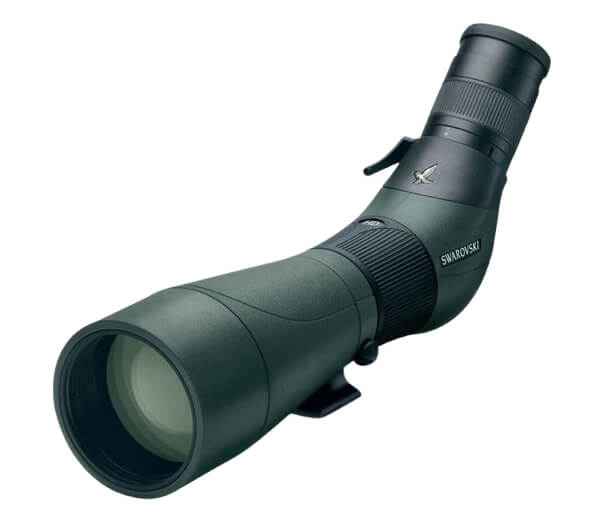 | 9.8 | ||
2 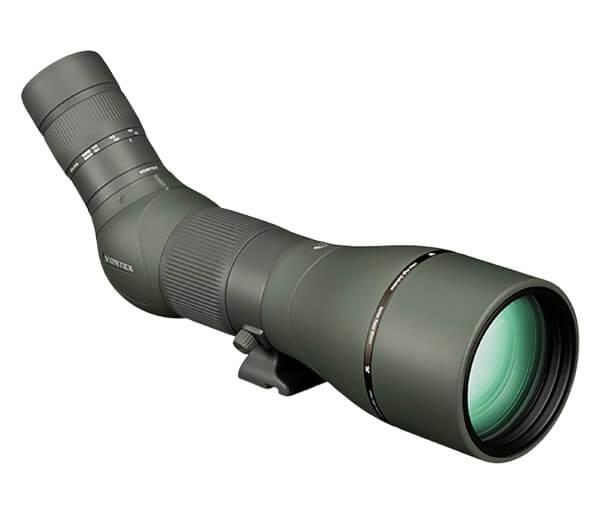 | 9.5 | ||
3 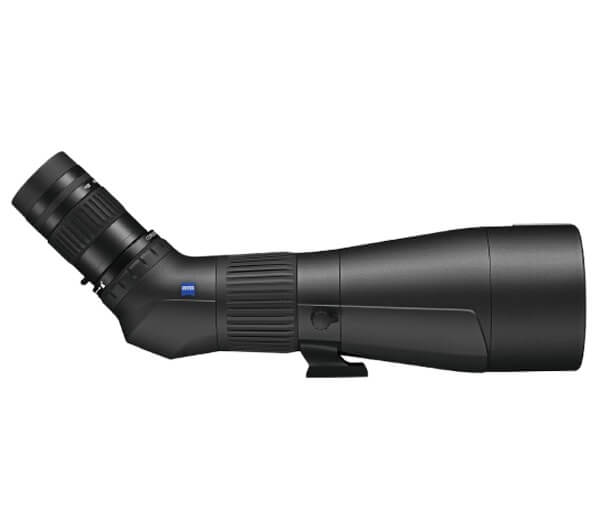 | 9.4 | ||
4 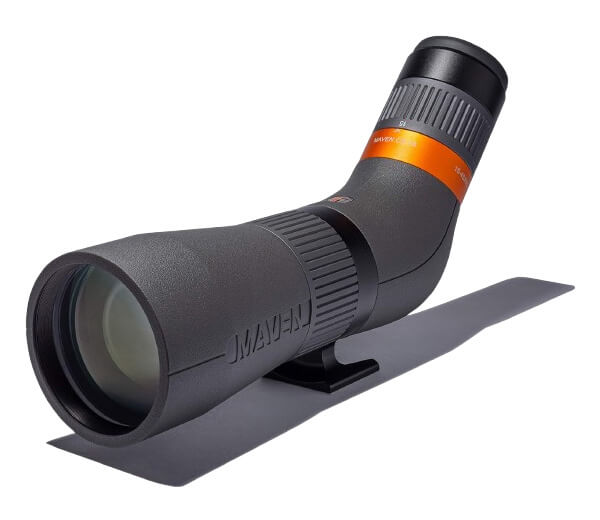 | 9.3 | ||
5 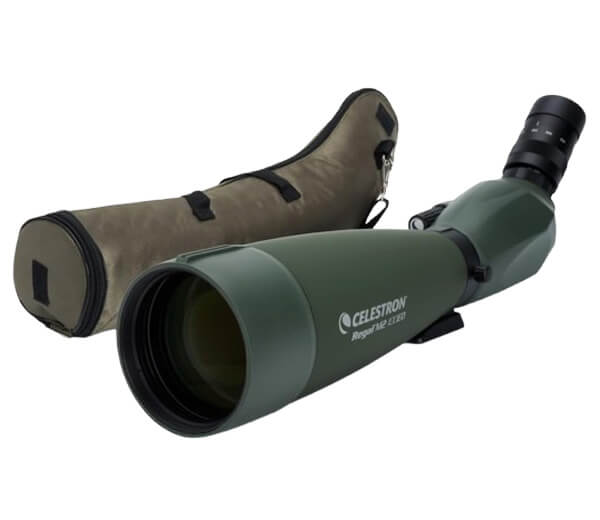 | 8.8 | ||
6 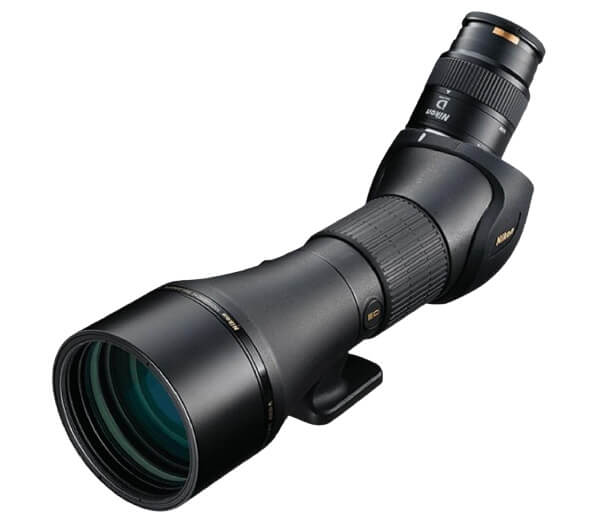 | 8.5 | ||
7 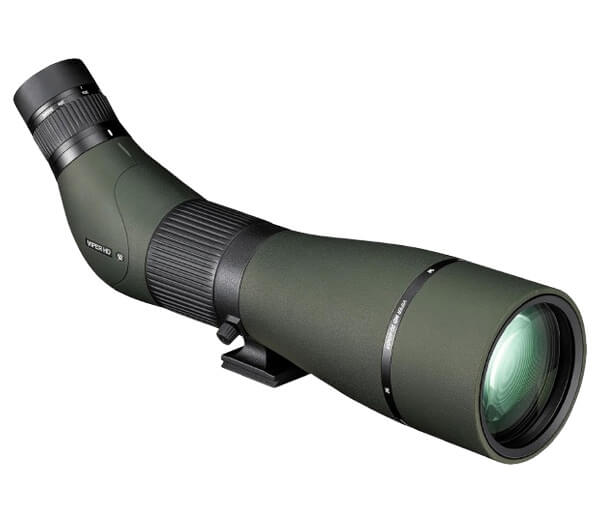 | 8.3 |
Best Spotting Scopes for Digiscoping Review
Now, let’s unpack each one, layer by layer. We’ll look beyond the sales copy to see how they handle light, focus, and the critical task of connecting to a camera.
1. Swarovski ATS 80 20-60x Spotting Scope
The Swarovski name carries a legendary weight in optics, synonymous with peak performance. The Swarovski ATS 80 is their workhorse spotting scope, and it entered my testing as the benchmark. The question wasn’t if it would be good, but how it justifies its position at the very top of the market for serious digiscoping.
Quick Facts:
- Magnification: 20-60x
- Objective Lens: 80mm
- Key Feature: Fluoride-containing HD lenses for exceptional color control.
How I Tested the Swarovski’s Claim of “High-Contrast Images”
My test for chromatic aberration—the colored fringes that ruin fine details in photos—is straightforward. I point the scope at a high-contrast target in bright sunlight, like a dark tree branch against a bright sky. With many scopes, you’ll see a subtle purple or green halo. The Swarovski’s fluoride HD lenses lived up to their promise. Even at the full 60x magnification, those fringes were almost completely absent. This means feathers on a bird or the texture of bark are rendered with crisp, clean lines, not muddy color bleed. For digiscoping, this is a massive advantage, as it reduces editing work and delivers stunning out-of-camera shots.
Is the 80mm Objective Lens Enough for Twilight Photography?
A common thought is that bigger is always better for gathering light. While a larger lens helps, the quality of the glass and coatings matters more. I compared the Swarovski ATS 80 against scopes with 85mm and 100mm lenses during the “golden hour.” The 80mm held its own remarkably well. The image remained bright and usable longer than I expected because so little light is lost or scattered inside the scope. The transmission efficiency is phenomenal. You only start to see a clear advantage for the larger scopes in the very last minutes of legal shooting light. For most digiscoping scenarios, the 80mm is more than sufficient and saves on weight.
Evaluating the Build and Real-World Usability with a Camera
The aluminum body is both lightweight and incredibly tough. The Arca dovetail mount is a pro feature I appreciate. It lets you slide the scope directly onto many premium tripod heads without a fussy plate, creating a rock-solid connection that’s vital for vibration-free photography. The helical focus is smooth as silk, allowing for minute adjustments to nail focus on a subject’s eye. Attaching a digiscoping adapter is simple, and the whole setup feels balanced and professional. It’s a tool that doesn’t get in your way, letting you focus on the shot.
2. Vortex Razor 27-60×85 Spotting Scope
Vortex has built a reputation on phenomenal optics backed by an unbeatable warranty. The Vortex Razor 27-60×85 sits at the peak of their lineup, boasting an 85mm objective and what they call a “triplet apochromatic” lens system. I wanted to see if this technical language translated to real-world photo quality that could challenge the established kings.
Quick Facts:
- Magnification: 27-60x
- Objective Lens: 85mm
- Key Feature: Triplet apochromatic lens with extra-low dispersion glass.
Putting the “Apochromatic” Lens Design to the Photographic Test
An apochromatic (APO) lens is designed to bring three colors of light to the same focus point, minimizing the color fringing we discussed. I used the same high-contrast test with the Razor HD. The result was impressive. Color fringing was exceptionally well-controlled, though in a direct side-by-side with the Swarovski under brutal lighting, my eye could detect a hair’s breadth more purity in the Swarovski image. However, for 99% of users and situations, the Razor HD delivers astoundingly clean, color-true images perfect for photography. The “HD” claim is valid.
How Does the Vortex Razor Handle the Transition from Dusk to Dark?
The 85mm objective lens gives it a theoretical light-gathering advantage over an 80mm scope. In practice, during my twilight sessions, this advantage was noticeable. The view stayed bright and clear for a valuable extra few minutes. The XR Plus anti-reflective coatings clearly work to maximize every bit of available light. For a digiscoper who targets crepuscular animals—like elk at dawn or owls at dusk—this extra performance is a tangible benefit that can mean the difference between a noisy, blurry photo and a clean, sharp one.
Durability and the Famous Vortex Razor Warranty
The Vortex Razor feels like a tank. The rubber armor provides a secure grip and protects the body from bumps. It is O-ring sealed and argon purged, which I tested by leaving it in a humid, cool environment overnight; there was zero internal fogging. Now, the warranty. Vortex’s VIP Warranty is arguably the best in the business. It’s unlimited, unconditional, and lifetime. If you break it, they fix or replace it. No receipts needed, no asking how it happened. This dramatically affects the long-term value of the scope. While the initial cost is high, knowing you essentially own it for life changes the value calculation.
3. ZEISS Conquest Gavia 85 Spotting Scope
ZEISS brings its storied history in camera lenses to the spotting scope world. The ZEISS Conquest Gavia 85 emphasizes being a “lightweight and handy companion.” For a digiscoper who might hike miles for a shot, this is a compelling promise. I tested to see if this pursuit of portability came at the cost of the optical excellence needed for photography.
Quick Facts:
- Magnification: 30-60x
- Objective Lens: 85mm
- Key Feature: Lightweight magnesium body with renowned ZEISS T* coatings.
The Weight Test: Does the Magnesium Body Hold Up to Field Use?
The first thing you notice picking up the Gavia is its weight—or lack thereof. For an 85mm scope, it feels almost nimble. On a 6-mile hike into a mountain basin, this difference is not trivial; my back and shoulders thanked me. But does the magnesium construction feel cheap or flimsy? Not at all. It feels solid and well-made, just engineered to be light. The balance on a tripod was still excellent, and there was no issue with stability when attached to my camera setup. For the mobile photographer, this is a major win.
Analyzing the Real-World Benefit of LotuTec and T* Coatings
I tested the LotuTec coating in drizzly, misty conditions. While other scopes’ lenses became dotted with water droplets that blurred the view, the water on the Gavia’s objective lens formed clean beads that easily rolled off with a slight tilt. This kept the image clear without constant wiping, which can smear or scratch lenses. The T* coating is the other star. It maximizes light transmission and controls reflections. Looking toward a low sun, the image remained contrasty and free from major flares or ghosts. This combination means you spend less time fighting the elements and more time shooting in them.
Is the Image Quality “ZEISS-Level” for Critical Digiscoping?
With the ZEISS name, expectations are sky-high. Through the camera adapter, the Gavia delivered. The image was exceptionally bright and sharp, with that characteristic ZEISS “pop” — a three-dimensional, contrast-rich look. Color rendition was neutral and accurate. However, in my most critical testing for edge-to-edge sharpness at high magnification, it showed a very slight softening in the extreme outer portions of the frame compared to the absolute best. For virtually all photographic compositions, this is irrelevant, as your subject is centered. But for a technical pixel-peeper, it’s a subtle distinction. Overall, the optical performance is superb and fully capable of producing professional-grade digiscoping images.
4. Maven CS.1 15-45×65 Spotting Scope
Maven operates on a direct-to-consumer model, which often means more value for your dollar. The CS.1 is their compact spotting scope, featuring a 65mm objective and ED glass. This positions it as a potential “always-ready” scope for the digiscoper on the move. I tested to see if its smaller size and attractive price meant big compromises where it counts.
Quick Facts:
- Magnification: 15-45x
- Objective Lens: 65mm
- Key Feature: Direct-to-consumer value with ED glass and a fully multi-coated optical system.
Can a 65mm Scope Deliver Enough Detail for Quality Digiscoping?
The smaller 65mm objective lens gathers less light than the 80mm+ scopes. In bright daylight, this is no issue at all. The ED glass and coatings do their job, providing a crisp, high-contrast image that is perfect for photography. Where the difference becomes clear is in shadowy forests or during the evening hours. The image darkens and loses “snap” sooner. For a digiscoper who sticks to well-lit conditions or doesn’t push into the edges of dawn and dusk, the CS.1 is more than capable. It captures plenty of detail for stunning shots of songbirds, landscapes, or mammals in good light.
Assessing the Build: Polymer Frame vs. Traditional Metal
The polymer frame is the core of its light weight. I was initially concerned about rigidity, especially with a camera hanging off the back. In use, the scope felt plenty sturdy. There was no concerning flex or twist. The rubber armor provides a good grip. It doesn’t feel premium in the way an aluminum or magnesium scope does, but it feels tough and purpose-built. For someone who abuses their gear on adventures, the lightweight toughness is a fair trade-off. The unconditional lifetime warranty from Maven also backs up their confidence in the build.
Value Analysis: Where the Maven CS.1 Fits in the Ecosystem
This is where the CS.1 truly shines. You are getting ED glass, fully multi-coated optics, and a waterproof/fogproof build for a mid-range price. When you compare its optical performance to other scopes in its price class, it often comes out ahead. It’s not trying to beat the Swarovski; it’s offering a huge portion of that high-end optical experience in a smaller, more affordable package. For the digiscoping enthusiast who wants great photos without a towering investment, or for the backpacker who needs to save every ounce, the CS.1 represents one of the smartest value propositions on the market.
5. Celestron Regal M2 100ED Spotting Scope
Celestron is a giant in astronomy, and they’ve poured that expertise into the Regal M2 100ED. The number “100” in its name is the headline: a massive 100mm objective lens. For digiscoping, especially in low light, this is a game-changing feature on paper. I tested to see if this big scope could deliver sharp, color-accurate images to match its impressive light-gathering potential.
Quick Facts:
- Magnification: 22-67x
- Objective Lens: 100mm
- Key Feature: Huge 100mm ED objective lens and included T-adapter for DSLR cameras.
The Low-Light Champion: Testing the 100mm Aperture at Dawn
This is where the Regal M2 100ED separates itself. On a cold morning waiting for waterfowl, the difference was not subtle. While my 80mm scope showed a good but darkening image, the Celestron’s view remained bright and full of contrast. Through the camera, this translated directly to lower ISO settings or faster shutter speeds. I could capture sharp shots of moving birds in light that would have forced other scopes to yield grainy or blurred images. For wildlife photographers who live for the golden hours, this scope is a powerful tool.
Evaluating the “XLT” Coatings and Edge-to-Edge Sharpness for the Sensor
Celestron’s XLT coatings are derived from their telescopes and are very effective. The image is noticeably bright and free from internal glare. The ED glass does a commendable job controlling chromatic aberration; I saw only minimal color fringing in extreme contrast situations. However, when pixel-peeping photos taken at the 60-67x range, I noticed the very edges of the frame were not as critically sharp as the center. This is common, but more pronounced here than in the Swarovski or ZEISS. For most compositions, you’ll never see it, but it’s a trade-off for the large aperture and lower cost.
The Digiscoping Ready Kit: How Useful is the Included T-Adapter?
This is a massive practical advantage. Digiscoping adapters can be confusing and expensive. Celestron includes a T-ring adapter specifically for attaching DSLR cameras. It threads directly onto the eyepiece barrel, creating a secure, optical connection. In minutes, I had my camera mounted and was taking photos. The convenience and cost savings here are significant. It shows Celestron designed this scope with the photographer in mind from the start, not as an afterthought.
6. Nikon Monarch 20-60×82 ED Spotting Scope
Nikon, another optics powerhouse from the photography world, brings a secret weapon to the digiscoping fight: a field flattener lens system. This feature, common in high-end camera lenses, is rarely mentioned in spotting scopes. It promises a sharp image across the entire field of view, which is critical for photography. I tested to see if this technical innovation delivered a real-world advantage.
Quick Facts:
- Magnification: 20-60x
- Objective Lens: 82mm
- Key Feature: Field-flattener lens system and ED glass.
The Field Flattener Test: Is the Entire Photo Frame Truly Sharp?
This was my most anticipated test. I set up a detailed test chart and focused the Nikon Monarch 82ED dead center at 60x magnification. With a standard scope, the center is sharp, but clarity falls off toward the edges. With the Nikon, the difference was clear. Details at the very edge of the field of view remained remarkably crisp. When I attached my camera, this translated directly to photos where the entire composition was usable. There was no need to crop in heavily to avoid soft corners. For digiscopers who frame landscapes through their scope or want maximum detail across a bird’s wingspan, this feature is a genuine performance boost.
How Does the 82mm ED Glass Perform in Challenging Light?
Sandwiched between the common 80mm and 85mm sizes, the Nikon’s 82mm objective is a great middle ground. The ED glass effectively minimized chromatic aberration in my tests, producing clean, color-accurate images. The multi-layer coatings on all lenses and prisms ensure high light transmission. In side-by-side twilight comparisons, it performed nearly identically to the 85mm Vortex Razor, holding brightness and contrast very well. It doesn’t have the sheer light cannon effect of the Celestron 100mm, but for its size class, it is a top performer.
Ergonomics and Build: Is it Designed for Long Photography Sessions?
The angled body of this Monarch model is a smart choice for digiscoping. It allows you to position the scope lower on the tripod for better stability and lets you look down into the eyepiece without craning your neck. This is a huge comfort during long waits. The focus wheel is well-placed and smooth. The whole unit feels solid, sealed, and ready for harsh conditions. It balances well with a camera attached, making it a reliable partner for extended time in the field.
7. Vortex Viper 20-60×85 Spotting Scope
The Vortex Viper 20-60×85 sits just below the Razor in their lineup, offering many of the same core technologies at a more accessible price point. For the digiscoper who wants Vortex’s legendary warranty and solid HD optics without the peak price, this is the target. I tested to see where the compromises were made and if they mattered for photography.
Quick Facts:
- Magnification: 20-60x
- Objective Lens: 85mm
- Key Feature: HD optical system with XR coatings, backed by the VIP Warranty.
How Does the Viper Compare to its Big Brother, the Razor?
I used both Vortex scopes on the same tripod, looking at the same distant, detailed target. The difference is subtle but present. The Razor’s image had a slight but noticeable advantage in “snap” — the micro-contrast that makes fine details like individual feathers or fur strands pop. The Viper’s image was very clear and bright, but just a bit flatter in direct comparison. For the digiscoper, this might mean a tiny bit more sharpening in post-processing with the Viper to match the out-of-camera look from the Razor. It’s a difference you see mainly when they are together.
Testing the Helical Focus for Precision in Digiscoping
The Viper HD uses a smooth helical focus ring, similar to the Razor. I found it excellent for fine-tuning focus. A small turn creates a precise shift, allowing you to dial in exactly on a bird’s eye or an animal’s face. This is superior to focus mechanisms that are too loose or too stiff. For photography, where perfect focus is non-negotiable, this is a valuable feature. The locking collar lets you rotate the scope body to get the eyepiece and camera into the perfect position without the whole setup twisting on the tripod.
Where the Vortex Viper Wins
The Vortex Viper’s greatest strength is its balance. You get a capable 85mm HD optical system, durable construction, and the full VIP Warranty at a price point that sits well below the Razor, Swarovski, ZEISS, and Nikon. For the photographer who wants a reliable, high-performance tool with zero worry about long-term repairs, it’s a compelling package. It may not win gold medals in every optical test, but it’s a consistent, trustworthy performer that lets you invest in other gear, like a better tripod or camera adapter.
Check also – Best Spotting Scopes for Astronomy Reviews
What to Know Before You Buy Spotting Scope for Digiscoping
Choosing one of the best spotting scopes for digiscoping means understanding a few core ideas. Let’s break down the jargon into plain English.
Key Terms Every Digiscoper Should Understand
- ED/HD/FL Glass: These are special types of glass (Extra-low Dispersion, High Density, Fluoride) that reduce “color fringing.” This is the colored halo you sometimes see on edges in photos. Less fringing means sharper, truer colors in your pictures.
- Coatings (T*, XLT, Fully Multi-Coated): Thin layers on the lenses that control reflections. Better coatings mean more light passes through the scope to your camera, resulting in a brighter image with richer colors and more contrast. This is crucial in low light.
- Field Flattener: A special lens group that corrects a natural optical curve. Without it, the center of your image might be sharp, but the corners are soft. With it, sharpness is even across the entire photo—a big deal for digiscoping.
Angled vs. Straight: Which Body is Best for You?
This is about comfort and setup. An angled eyepiece (like on most scopes in this review) is generally better for digiscoping. It lets you position the scope lower on the tripod for better stability. You look down into it, which is easier on your neck during long sessions. It also makes it simpler to share the view with people of different heights. A straight scope is better for quick, targeted viewing, like at a shooting range, but the angled design is the versatile favorite for photographers.
The 5 Most Important Things for spotting scope for digiscoping
- Optical Quality: This is non-negotiable. Look for ED/HD glass and premium multi-coatings. This is the foundation of a sharp, bright photo.
- Objective Lens Size: Bigger lenses (measured in mm) gather more light. Balance your need for low-light performance (bigger is better) with your need to carry the scope (bigger is heavier).
- Solid Mechanics: A smooth, precise focuser and a sturdy tripod mount are essential. Blurry photos often come from poor focus or camera shake from a wobbly setup.
- Weather Protection: Your gear will get wet, cold, and dusty. Waterproof and fogproof construction (O-ring seals, argon gas) protects your investment.
- Warranty & Support: A spotting scope is a long-term purchase. A strong warranty (like Vortex’s VIP or Maven’s unconditional promise) means the company stands behind their product for decades.
Swarovski vs. ZEISS vs. Vortex Razor
These three represent the peak of performance. In my testing for pure, critical image quality for the camera, the ranking was clear. The Swarovski ATS 80 HD had the most neutral color balance and the highest resistance to chromatic aberration, delivering what I’d call a “perfect” optical image. The ZEISS Gavia 85 was a razor-close second, with stunning brightness and contrast, but showed the faintest edge softness at high power. The Vortex Razor 85 was a half-step behind in sheer optical refinement but makes up ground with its larger objective lens for low light and its unparalleled warranty. Pixel-perfect purists will find their match in Swarovski. Weight-conscious perfectionists should look no further than ZEISS. All-conditions experts demanding unbeatable support belong with the Vortex Razor.
Celestron Regal M2 100ED vs. Vortex Viper
This is a battle of philosophies. The Celestron Regal M2 100ED is a feature-packed specialist. It gives you a huge 100mm light bucket and includes a DSLR adapter for a mid-range price. Its value is in raw capability and photography-ready features. The Vortex Viper is a balanced all-rounder. It offers very good 85mm optics and the security of the VIP Warranty. Its value is in reliable performance and long-term peace of mind. If your primary goal is conquering low light and you want the adapter included, the Celestron is your tool. If you want a durable, trustworthy scope with a legendary safety net, the Vortex Viper is the wiser choice.
People Also Ask
Is a bigger objective lens always better for digiscoping?
Mostly, but with a caveat. A bigger lens (like 85mm or 100mm) gathers more light, which is great for low-light photography. However, it also makes the scope larger, heavier, and often more expensive. An 80mm or 82mm lens with excellent glass and coatings (like the Swarovski or Nikon) can outperform a cheaper 85mm scope. Choose the largest lens you can comfortably carry and afford, but prioritize lens quality first.
How important is the warranty on a spotting scope?
Extremely important. This is a purchase meant to last for years, even decades. A strong warranty protects that investment. Vortex’s VIP Warranty and Maven’s unconditional warranty are the gold standards—they cover almost anything. Celestron and others offer “Limited Lifetime” warranties, which are good but may not cover accidental damage. Always read the warranty terms, as they are a key part of the scope’s value.
Can I use these spotting scopes for astronomy too?
Absolutely. In fact, they are excellent for it. Their high-quality optics are perfect for viewing the moon, planets like Jupiter and Saturn, and star clusters. The angled design is comfortable for looking up at the night sky. A scope like the Celestron Regal M2 100ED, with its large aperture, is a particularly fantastic dual-purpose instrument.
Do I need a special ‘digiscoping’ model?
Not exactly. You need a spotting scope with high optical quality. Any good scope can be used with a universal camera adapter. However, scopes that mention features critical for photography—like ED glass for color control, field flatteners for edge sharpness, or that include adapters (like the Celestron)—are inherently better suited for the task. Focus on the optical attributes, not a specific “digiscoping” label.
More magnification is always better?
This is false, especially for photography. Higher magnification (like 60x) amplifies every tiny vibration from your hands or the wind, making it very hard to get a sharp photo. It also narrows your field of view and often makes the image darker. For digiscoping, the sweet spot for detail and stability is often between 30x and 50x. Don’t get fixated on the highest number; a sharp, bright 40x image is far more valuable than a shaky, dim 60x one.
Recommendations
After this deep analysis, the choice becomes clear when matched to your specific goals and budget. For the photographer seeking the ultimate optical tool where budget is secondary to performance, the Swarovski ATS 80 stands alone. Its combination of flawless color correction, edge-to-edge sharpness, and exquisite build quality makes it the reference point against which all others are measured. Every photo benefits from its purity.
However, for the vast majority of serious digiscopers who need to balance cost with exceptional capability, the Celestron Regal M2 100ED emerges as the most compelling overall choice. It delivers where it counts most for photography: gathering light in challenging dawn and dusk conditions. The included T-adapter shows it’s built for cameras, and the image quality, while not quite at the Swarovski’s pinnacle, is superb for its class. It offers a tangible, performance-defining advantage (the 100mm lens) at a price that represents outstanding value.
For those whose adventures demand minimal weight, the ZEISS Conquest Gavia 85 provides a premium, lightweight solution without asking you to sacrifice top-tier optics. And for anyone who prioritizes an unconditional, worry-free guarantee above all else, the Vortex Razor 27-60×85 and its unmatched VIP Warranty offer a different kind of premium security.
The best spotting scopes for digiscoping are those that become seamless extensions of your camera, capturing the world with clarity and depth. By focusing on optical truth over marketing claims, you can invest in a tool that will bring distant wonders into sharp, photographic focus for years to come.
