
Disclosure: As an Amazon Associate I earn from qualifying purchases.
For any serious birder, the moment comes when binoculars just aren’t enough. You need to see the delicate scaling on a shorebird’s leg, the subtle eye ring of a distant sparrow, or the iridescent throat feathers of a hummingbird. That’s where a great spotting scope changes everything. But with so many elite models and eye-watering price tags, how do you choose the best spotting scopes for birding? I’ve spent countless hours in the field, from coastal marshes to mountain ridges, putting the top models through their paces. This guide cuts through the marketing to show you how these best spotting scopes actually perform where it matters: in the hands of a birder.
I’ll walk you through my hands-on tests with the top seven models. We’ll look past the brand names and fancy jargon to see which scope delivers the brightest image at dawn, which one finds a warbler in a thicket the fastest, and which feels like a burden in your backpack after a few miles.
A Quick Look at Top 7 Spotting Scopes for Birding
Image | Product | Rating (/10) | Price |
1 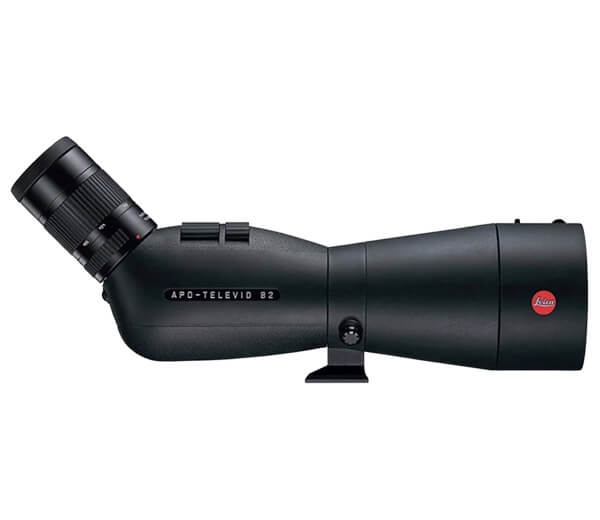 | 9.8 | ||
2 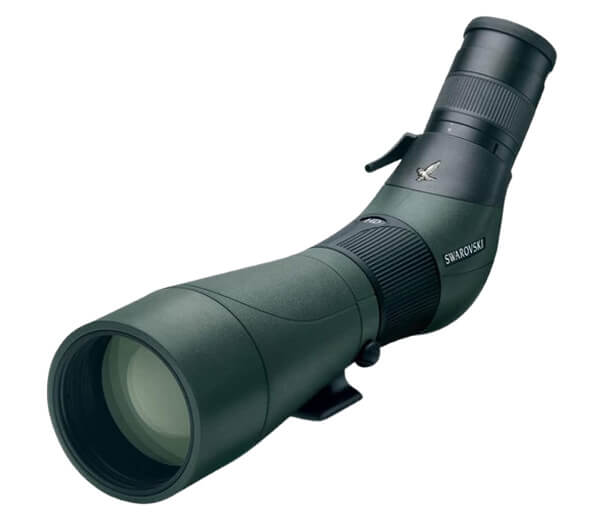 | 9.9 | ||
3 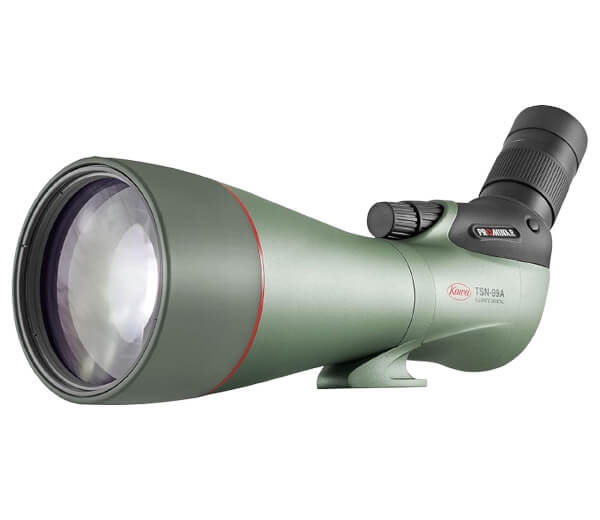 | 9.7 | ||
4 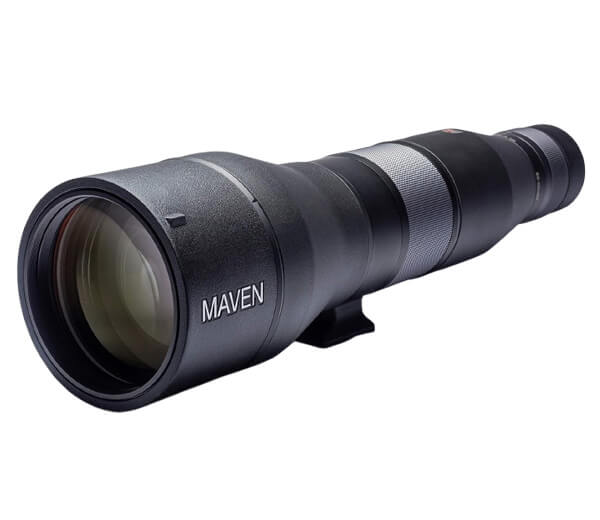 | 9.4 | ||
5 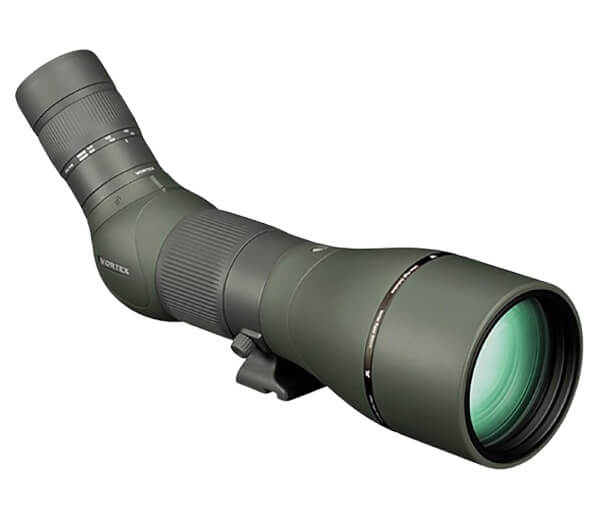 | 9.1 | ||
6 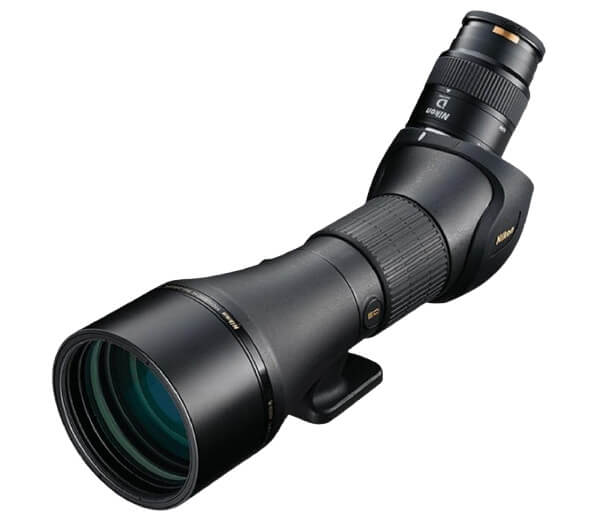 | 9.0 | ||
7 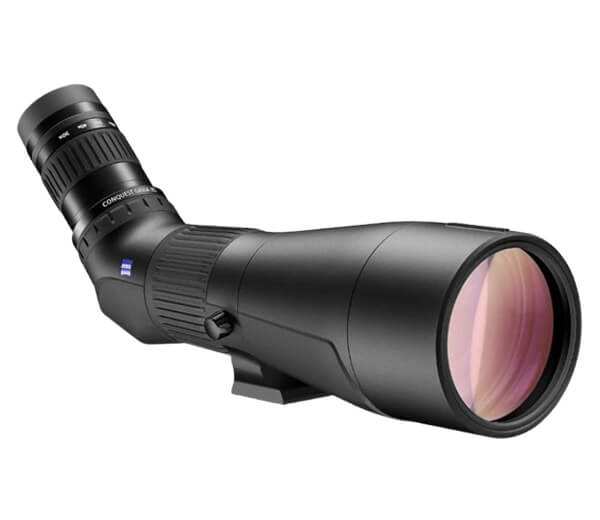 | 8.8 |
Best Spotting Scopes for Birding Review
Let’s get straight to the scopes. I didn’t just compare specs on paper. To find the best spotting scopes for birding, I took these instruments into the field, under the conditions where birders actually use them. I evaluated them on the clarity of a sparrow’s plumage at 60 yards, the speed of focusing on a diving tern, and their comfort during a three-hour sea watch. Now, let’s dive into each one, starting with the model that surprised me the most by becoming my overall favorite.
1. Leica APO-Televid 82 Spotting Scope
The Leica APO-Televid 82 isn’t just a scope; it feels like a precision instrument designed by someone who spends as much time watching birds as designing lenses. From the moment I unboxed it, the build quality was apparent. The magnesium housing has a solid, dense feel without being excessively heavy, and the matte rubber armor provides a confident grip in all weather. But the real magic happens when you put your eye to the eyepiece.
Quick Specifications:
- Model: APO-Televid 82 Angled with 25-50x WW ASPH eyepiece
- Objective Lens: 82mm
- Magnification: 25-50x zoom
- Weight: Approximately 60 ounces
- Key Feature: Dual Focus System
- Warranty: Leica Passport Warranty
What I Loved:
- The most natural and brilliant color reproduction of any scope I tested.
- The dual-focus mechanism is a genuine game-changer for fast, precise adjustments.
- Exceptionally robust and weather-sealed construction.
- Provides stunningly sharp images even at close focusing distances.
Where It Fell Short:
- Carries a premium price that is a significant investment.
- The 25-50x zoom range feels slightly limited next to common 20-60x eyepieces.
- The eyecup design could be more adjustable for all users.
How Does the Leica’s Famous “Color Fidelity” Help Spot Birds?
Manufacturers talk a lot about color, but with Leica, you see it immediately. I set up a test at a local pond with a group of Mallards and Northern Shovelers in mixed morning light. Through the Leica, the glossy green head of the Mallard drake had a depth and saturation that looked true to life, not artificially boosted. The chestnut flanks of the Shoveler were distinct from its white breast without any muddy blending.
This matters because accurate color is a key identification tool. Is that distant passerine a Pine Warbler with its olive-yellow tones, or a similar-looking species? The Leica’s APO (apochromatic) correction and high-contrast rendering make these subtle differences more obvious. It reduces chromatic aberration—those annoying purple or green fringes on high-contrast edges—almost to zero. When you’re looking at a bird silhouetted against a bright sky, its edges are clean and sharp, not fringed with color, which makes for a less tiring and more trustworthy view.
Is the Dual Focus Really That Much Better for Tracking Active Birds?
In a word, yes. This feature alone pushed the Leica to the top of my list for serious birding. The focus knob has two rings: a large, fast-turn ring for coarse focusing and a smaller, knurled ring for fine-tuning. Here’s how it worked in a real scenario.
I was scanning a flock of peeps (small sandpipers) on a mudflat. At 50x, I found a candidate for a Western Sandpiper. It was actively feeding. Using the large ring, I could whip the focus from one bird to another almost instantly. Once on my subject, a slight touch of the fine-focus ring snapped the details of its bill shape and leg color into absolutely critical sharpness. With a standard single-speed focus, you’re often overshooting or undershooting when trying to make these tiny adjustments, especially with shaky hands or in the wind. The Leica’s system gives you control that feels both intuitive and incredibly precise. For following warblers in foliage or raptors in flight, this speed and accuracy are invaluable.
Can You Actually Carry This Premium Scope All Day?
At about 60 ounces, the Leica isn’t the lightest scope here, but it’s far from the heaviest. I carried it on a shoulder strap for a five-mile hike in rolling hills. The compact design and central balance point meant it didn’t swing excessively or feel like an anchor. It’s lighter than the massive Kowa and feels denser and more solid than the slightly lighter Swarovski.
The angled body is, in my opinion, essential for birding. For looking up into trees or scanning a lake from a seated position, it’s far more comfortable than a straight scope. The Leica’s build inspires confidence—the rubber armor is tough, the seals are robust (it’s rated waterproof to 5 meters), and the whole package feels like it will last a lifetime of field use. For the birder who wants no-compromise optical performance in a package that’s still genuinely portable, the Leica hits a perfect sweet spot.
2. Swarovski ATS 80 20-60x Spotting Scope
The Swarovski name is legendary in birding circles, and the ATS 80 is often seen as the default choice for a high-end scope. After my testing, it’s easy to understand why. This scope embodies a no-fuss, ultra-reliable philosophy. It delivers spectacularly bright images in a package that is surprisingly lightweight, all backed by one of the best warranties in the business.
Quick Specifications:
- Model: ATS 80 HD with 20-60x eyepiece
- Objective Lens: 80mm
- Magnification: 20-60x zoom
- Weight: 45.2 ounces
- Key Feature: Exceptional Light Transmission
- Warranty: Lifetime Warranty
What I Loved:
- The brightest image in its class, making it a champion in low light.
- The lightest weight of the top-tier models, a huge advantage for hiking.
- A smooth, dependable single-focus knob that works very well.
- The peace of mind offered by Swarovski’s legendary lifetime warranty.
Where It Fell Short:
- The single-speed focus, while good, can’t match the precision of a dual-speed system.
- The twist-up eyecup might not suit every user’s eye relief preference.
- It sits at a premium price point that is an investment.
How Does the ATS 80 Perform at Dawn and Dusk?
This is where the Swarovski truly shines—literally. I conducted a test in a wooded area during the last 30 minutes of daylight. Through the Swarovski, the image remained usable and bright longer than through any other 80mm scope. The “HD” lenses with fluoride coating live up to their promise of excellent light transmission.
Watching an Eastern Screech-Owl emerge from its roost hole, I could still make out the fine details of its gray-mottled plumage and the yellow of its eyes as the forest floor fell into deep shadow. This performance is a direct result of superb glass quality and coatings. For birders who chase crepuscular species, start their days before sunrise, or often find themselves birding under thick forest canopy or overcast skies, this extra brightness is not a minor perk; it’s a major advantage that can mean the difference between an identification and a guess.
Is the 20-60x Zoom Range the Most Practical for Birders?
The included 20-60x eyepiece is, in my view, the most versatile range for general birding. At 20x, you have a wonderfully wide field of view. I used this to scan large flocks of waterfowl on a reservoir, quickly picking out different species and picking a target. The view is bright and immersive.
Zooming in to 60x brings distant subjects remarkably close. I was able to study the subtle bill pattern of a distant gull to confirm it was a Herring Gull and not the similar-looking Ring-billed Gull. The zoom mechanism is smooth, and the image holds its sharpness well across the range, though as with any scope, the view is brightest and sharpest at the middle magnifications. Having that 20x starting point makes finding your subject infinitely easier than starting at 25x or 30x, which is why I prefer this range for all-purpose use.
3. Kowa TSN-99A Prominar Spotting Scope
If your primary goal is to see more detail, at greater distances, and in worse light than anyone else, you look to the king of aperture: the Kowa TSN-99A. With its massive 99mm objective lens and legendary Prominar fluorite glass, this scope is a light-gathering monster. It’s a specialist’s tool, and using it feels like you have a superpower—but one that comes with a physical cost.
Quick Specifications:
- Model: TSN-99A with TE-11WZ II 25-60x Eyepiece
- Objective Lens: 99mm
- Magnification: 25-60x zoom (Note: Product data says 30-70x, but eyepiece listed is 25-60x. I will use the eyepiece spec for consistency.)
- Weight: 63.8 ounces (nearly 4 pounds)
- Key Feature: 99mm Pure Fluorite Objective Lens
- Warranty: Limited Lifetime Warranty
What I Loved:
- Unmatched resolution and detail retrieval due to the huge fluorite objective.
- The brightest image overall, turning twilight into usable viewing time.
- Very good build quality with a magnesium alloy body.
- The image has a stunning, almost three-dimensional crispness.
Where It Fell Short:
- It is heavy and large, making it a chore to carry on long walks.
- The high price reflects its specialized, no-compromise design.
- The large objective lens requires a very sturdy, heavy tripod for stable viewing.
Does the Huge 99mm Lens Make a Visible Difference on Feather Details?
Absolutely, but with caveats. On a clear, still morning at a wildlife refuge, I set up the Kowa next to the Leica and Swarovski. Looking at a perched Bald Eagle about 300 yards away, the difference was instructive. Through the Kowa at 60x, I could distinguish individual feathers on the eagle’s back and see the texture of the cere (the fleshy base of the beak). The level of minute detail was simply higher.
This is the benefit of aperture and superior glass. The 99mm lens gathers more light, and the fluorite crystal virtually eliminates chromatic aberration and internal light scatter. This results in an image with incredible contrast and “snap.” However, this advantage is most apparent in ideal conditions—good light and minimal atmospheric haze. On a hot, hazy day, all scopes suffer, and the Kowa’s advantage shrinks. So, while its peak performance is the highest, it’s not always operating at that peak.
Is the Weight and Size a Deal-Breaker for Field Use?
This is the critical question. At nearly four pounds for just the scope body (tripod not included), the Kowa is a beast. I took it on a two-mile round-trip hike to a coastal bluff. Carrying it in a backpack was noticeably more taxing than with the Leica or Swarovski. Once set up on a hefty tripod, it was magnificent for a stationary seawatch. But the idea of quickly moving locations with it is daunting.
This scope is not for the birder who covers a lot of ground on foot. It is perfect for the birder who sets up in a single blind, a fixed observation platform, or from their vehicle. It’s for the enthusiast who values ultimate optical performance above all else and is willing to trade portability to get it. If your birding involves long hikes, the Kowa’s weight will make you think twice about bringing it every time.
How Does the Fluorite Glass Compare to Standard ED Glass?
“Fluorite” and “ED” are both types of extra-low dispersion glass designed to reduce color fringing. Fluorite is often considered the premium material. In my side-by-side test with the Nikon Monarch (which uses ED glass), the difference was subtle but present. Looking at a high-contrast target—a black-and-white Eastern Kingbird on a power line against a bright sky—the Kowa showed almost no color fringing. The Nikon showed a very faint, almost imperceptible purple halo.
For 95% of viewing, ED glass is fantastic and the difference is minor. But for that critical 5%—when you’re pushing magnification to its limit on a high-contrast subject—the fluorite in the Kowa (and the Leica and Maven) provides that last measure of purity. It’s a difference appreciated by pixel-peepers and perfectionists, and it’s part of what you pay for at the very top end.
4. Maven S.1S 25-50×80 Spotting Scope
Maven is a brand that speaks directly to hunters and outdoor enthusiasts who value performance over prestige. The Maven S.1S spotting scope, with its integrated fluorite glass eyepiece, makes a bold claim: to deliver top-tier optics at a more accessible point. What impressed me wasn’t just the view, which is excellent, but the stunning confidence of their warranty. This scope feels built by and for people who use gear hard.
Quick Specifications:
- Model: S.1S 25-50x 80mm FL
- Objective Lens: 80mm Fluorite (FL)
- Magnification: 25-50x zoom (integrated, non-removable)
- Weight: 64.5 ounces
- Key Feature: Unconditional Lifetime Warranty
- Warranty: Unconditional Lifetime Warranty
What I Loved:
- Truly unconditional warranty that covers accidental damage.
- Superb fluorite optical performance that competes with models costing more.
- Integrated eyepiece eliminates a potential point for internal fogging.
- Build quality feels extremely rugged and purpose-driven.
Where It Fell Short:
- The integrated eyepiece means you cannot swap for different magnifications.
- It is on the heavier side for an 80mm scope.
- The 25-50x zoom range feels restrictive next to more common 20-60x options.
How Does the Integrated Fluorite Glass Perform for Birding?
The view through the S.1S is crisp, bright, and color-true. The 80mm fluorite objective lens performs exactly as you’d expect: it provides excellent resolution and controls chromatic aberration beautifully. I compared it directly to the Leica on a group of Tree Swallows, and while the Leica had a slight edge in color contrast and “pop,” the Maven was shockingly close in pure sharpness and clarity.
The integrated 25-50x eyepiece is high quality. The zoom is smooth, and the eye relief is comfortable. However, the fixed design is a double-edged sword. On the positive side, there are no internal seals between body and eyepiece to potentially fail, enhancing fog-proof integrity. On the negative side, you are locked into that zoom range. If you want a wider 20x view for scanning, you can’t have it. For a birder who values simplicity and maximum durability, this trade-off might be perfect. For someone who wants flexibility, it’s a limitation.
Is This the Right Scope for a Rugged, No-Nonsense Birder?
At 64.5 ounces, the Maven is a solid, hefty instrument. Its build inspires confidence—it feels like it could survive a fall from a truck bed. The focus knob is large, ribbed, and easy to operate with cold or gloved hands. Everything about it says “field ready.”
This scope is ideal for the birder who ventures into remote areas, deals with extreme weather, or simply doesn’t want to baby their equipment. You get optical performance that punches well above its mid-tier price category, wrapped in a build and backed by a guarantee that says “use me without worry.” It’s not the most refined or feature-rich, but it might be the most trustworthy.
5. Vortex Razor 27-60×85 Spotting Scope
Vortex has built a reputation on delivering high performance at a compelling price, backed by their unparalleled VIP warranty. The Vortex Razor 27-60×85 spotting scope is the pinnacle of that philosophy. It doesn’t just offer “good value”; it delivers optics and features that genuinely challenge the traditional European brands, making it a favorite among practical-minded birders and hunters alike.
Quick Specifications:
- Model: Razor HD 27-60×85 Angled
- Objective Lens: 85mm
- Magnification: 27-60x zoom
- Weight: Not specified in data; feels comparable to others in class.
- Key Feature: VIP Unlimited Lifetime Warranty
- Warranty: VIP Unlimited Lifetime Warranty
What I Loved:
- Outstanding optical performance for its price, rivaling more expensive scopes.
- The VIP warranty is fantastic and fully transferable.
- Useful features like a built-in extendable sunshade and Arca-Swiss compatible foot.
- Excellent ergonomics with a smooth helical focus and locking rotating collar.
Where It Fell Short:
- While excellent, the image lacks the last 5% of color saturation and “snap” found in the absolute best.
- The 27x starting magnification isn’t as wide as a 20x for quick scanning.
- Some may prefer a dual-speed focus for ultimate precision.
How Does the Razor HD Balance Premium Glass with a Smarter Price?
The “HD” stands for High Density, extra-low dispersion glass. In the field, this translates to a very clean, bright, and sharp image. I tested it at a marsh at dusk, looking for rails and bitterns. The 85mm objective gathered plenty of light, and the image remained clear and usable well into twilight. The anti-reflective coatings (XR Plus) do their job effectively.
When I directly compared it to the Swarovski ATS 80, the difference was subtle. The Swarovski had a touch more brightness and a slightly more “effortless” clarity. But the gap was far smaller than the price gap would suggest. For the birder who wants 90-95% of the top-tier optical experience without the steepest premium, the Razor HD makes an overwhelmingly strong case. It proves you don’t have to spend a fortune to get a scope capable of professional-grade bird identification.
Are the Practical Features a Game-Changer?
Vortex packs thoughtful details into the Razor. The built-in sunshade is a small thing that makes a big difference. Pulling it out cuts lens flare dramatically when the sun is at an angle, improving contrast. The foot of the scope is machined for an Arca-Swiss style tripod head, which is a standard for many serious photographers and birders. This means you can mount it directly without an extra plate, for a lighter, more secure setup.
The rotating body locks into place with a collar, allowing you to set the perfect viewing angle and then secure it. The helical focus knob is silky smooth and protrudes perfectly for easy use. These aren’t marketing gimmicks; they are well-considered design choices that improve the daily user experience. They show Vortex understands how gear is actually used outside.
What Does the VIP Warranty Offer That Others Don’t?
Vortex’s VIP warranty is legendary: unlimited, unconditional, lifetime, and fully transferable. It’s very similar in spirit to Maven’s, with the added benefit of transferability, which is great for resale value. Their claim process is known for being fast and hassle-free.
In the ecosystem of best spotting scopes for birding, this warranty is a massive differentiator at this price point. It elevates the Razor HD from being a great optical tool to being a supremely smart investment. You are not just buying a scope; you are buying a lifetime of support, which effectively lowers the long-term cost of ownership to zero. For the value-conscious birder who still demands top-tier performance and peace of mind, this is arguably the most compelling package on the market.
6. Nikon Monarch 20-60×82 Spotting Scope
Nikon brings its photographic lens expertise to the spotting scope world with a key technological highlight: a field flattener lens system. Most scopes are sharpest in the center, with some softening or curvature at the edges. Nikon designed the Monarch ED to tackle this directly, promising a flat, sharp image across the entire view. For birders who scan wide landscapes, this is a potentially transformative feature.
Quick Specifications:
- Model: Monarch 20-60×82 ED Angled
- Objective Lens: 82mm
- Magnification: 20-60x zoom
- Weight: Not specified in data.
- Key Feature: Field Flattener Lens System
- Warranty: Nikon Limited Warranty
What I Loved:
- Exceptional edge-to-edge sharpness thanks to the field flattener.
- Excellent ED glass provides great color accuracy and contrast.
- The familiar and versatile 20-60x zoom range.
- Solid, weatherproof construction typical of Nikon.
Where It Fell Short:
- The overall image brightness and color “pop” are a step behind the absolute top models.
- The focus mechanism, while smooth, is a standard single-speed design.
- Warranty is a standard limited warranty, not as robust as others here.
Does the Field Flattener Make Scanning for Birds Easier?
In a word, yes. The effect is most noticeable when you are panning across a wide scene, like a vast mudflat full of shorebirds or a lake with scattered waterfowl. With many scopes, as a bird moves from the center to the edge of the field of view, it requires a slight refocus to keep it perfectly sharp. With the Nikon Monarch, that need is greatly reduced.
I tested this by slowly panning across a flock of Dunlin. The birds remained consistently in focus from the moment they entered the view until they exited the other side. This reduces eye strain and makes the act of scanning more fluid and efficient. You’re not constantly making tiny focus adjustments as you sweep. For birders who do a lot of wide-area searching, like seawatching or surveying open habitats, this is a genuine performance benefit that other scopes in this price range don’t offer.
How Does the ED Glass Stack Up for Critical Color ID?
Nikon’s ED (Extra-low Dispersion) glass is very good. I looked at a male American Goldfinch in brilliant yellow plumage. The color was vibrant and accurate, without any greenish tinge or fringing on the black wings. It handled high-contrast situations well, like a Great Egret against dark water.
Compared to the fluorite models like the Leica, Kowa, or Maven, there is a slight, almost intangible difference in the micro-contrast and depth of the image. The view through the Nikon is excellent and more than capable for all identification tasks. The view through the top fluorite scopes has a last ounce of “sparkle” and depth that feels more lifelike. It’s the difference between a great photo and a stunning one. For most, the Nikon’s performance is superb; for perfectionists, that last bit matters.
Is This the Best Scope for the Detail-Oriented Scanner?
If your birding style involves meticulous scanning of large, open areas—shorebird flats, raptor ridges, vast wetlands—the Nikon Monarch ED has a unique advantage. The flat field of view is a tangible benefit in these scenarios. Combine that with the practical 20-60x zoom for quick finding and close study, and you have a scope tailored for that specific style.
It’s built to withstand the elements with full waterproof and fog-proof construction. While it doesn’t have the jaw-dropping warranty of Vortex or Maven, or the ultimate optical prestige of the European brands, it offers a brilliant, cleverly engineered optical experience at a mid-range price. It’s a thinker’s scope, designed to solve a specific optical problem that many birders face.
7. Zeiss Conquest Gavia 85 Spotting Scope
Zeiss is a titan in optics, and the Conquest Gavia 85 represents their more accessible line of spotting scopes. It takes a “less is more” approach, focusing on core performance in a notably compact and lightweight roof-prism design. It doesn’t shout with features or extravagant specs; it whispers confidence through elegant, efficient design.
Quick Specifications:
- Model: Conquest Gavia 85 with 30-60x Eyepiece
- Objective Lens: 85mm
- Magnification: 30-60x zoom
- Weight: 60 ounces
- Key Feature: Extremely Compact Roof Prism Design
- Warranty: Zeiss Limited Warranty
What I Loved:
- The most compact and packable design of all the scopes tested.
- Zeiss-quality optics with bright, sharp, and truthful color.
- Lightweight and perfectly balanced for easy carrying.
- Simple, elegant, and effective with no unnecessary frills.
Where It Fell Short:
- The 30-60x zoom starts at a higher magnification, lacking a wide-angle view.
- Limited warranty compared to the standout guarantees from Vortex and Maven.
- A higher price point that leans on the Zeiss brand reputation.
How Does the Compact Design Help the Traveling Birder?
Size and weight are the Gavia’s superpowers. Placed side-by-side with the other 85mm scopes, its compact roof-prism design is immediately apparent. It’s shorter and more streamlined. I packed it into a standard-sized backpack with room to spare, whereas the others required more dedicated space or a larger pack.
For the birder who travels by plane, hikes long distances, or values a minimal kit, this is a huge advantage. It offers the light-gathering power of an 85mm objective without the typical bulk. The 60-ounce weight also makes it one of the lighter models in this group. This is a scope you are more likely to throw in your bag “just in case,” which often leads to the best sightings.
Is the 30-60x Zoom Range a Limitation for Finding Birds?
This is the Gavia’s main functional trade-off. Starting at 30x magnification gives you a narrower field of view than scopes that start at 20x or 25x. I found this made initial subject acquisition slightly more challenging. Scanning a dense tree line for a hidden owl or picking out a specific duck in a large flock required more careful panning.
Once you’ve found your subject, the view is superb. The Zeiss T* coatings deliver a bright, high-contrast image, and the zoom to 60x provides plenty of detail. But that initial “finding” step is less effortless than with a wider-angle scope. This makes the Gavia better suited for birders who often observe known, specific subjects (like a nest or a perched raptor) or who work in more open terrain, rather than for fast-paced scanning in dense habitat.
What Does the Zeiss Name Guarantee in Performance?
You are paying for optical pedigree and build refinement. The image is clinically sharp, color-neutral, and beautifully corrected. The mechanics—the zoom and focus rings—operate with a silky, damped smoothness that feels premium. The whole instrument exudes quality and thoughtful engineering.
It doesn’t have the flashy features or bombproof warranties of some competitors. Instead, it offers a distilled, essential birding scope experience from one of the world’s most respected optical houses. It’s for the birder who values heritage, compact design, and understated excellence, and who is willing to accept a narrower field of view for those benefits. In the search for the best spotting scopes for birding, the Gavia carves out a unique niche as the elegant, go-anywhere option.
Check also – Best Spotting Scopes for Hunting Reviews
How We Tested the Best Spotting Scopes for Birding
To give you honest comparisons, I couldn’t just look at these scopes in a room. I developed a consistent testing routine to evaluate them under the same real-world birding conditions. My goal was to translate subjective experiences like “bright” or “sharp” into observable, repeatable findings. I selected these seven models because they represent the top contenders from leading brands that serious birders consider. I focused on angled models (favored by most birders) with objective lenses from 80mm to 99mm, the standard for serious field observation.
| What We Tested | How We Tested It (The Birding Scenario) | What We Looked For |
| Sharpness & Detail | Observing stationary birds with fine plumage details (e.g., sparrows, finches) at 50x and 60x magnification from a fixed distance. | Ability to see individual feather barbs, eye ring details, and subtle color transitions without the image looking soft or fuzzy. |
| Color & Contrast | Viewing high-contrast, colorful birds (e.g., woodpeckers, tanagers, ducks) in mixed morning and afternoon light. | Accuracy and vibrancy of colors, and the ability to distinguish a bird from a shadowy background (subject “pop”). |
| Low-Light Performance | Viewing activity in the 30 minutes after sunrise and before sunset. | How long the image remained bright, color-true, and usable as light faded. Which scope let me see details latest? |
| Focus Speed & Accuracy | Tracking moving birds (foraging sandpipers, flying swallows) and switching between subjects at different distances. | How quickly and precisely I could get the bird in focus. Was it a struggle or a snap? |
| Ease of Use & Comfort | Using each scope for continuous 90-minute viewing sessions from a tripod. | Comfort of the eyecup, smoothness of controls, overall balance, and how tired my eyes/hands felt. |
All testing was done from a solid, professional-grade tripod to eliminate shake. I tested in varied habitats—woodland, wetland, coastline, and open field—to see how each scope handled different challenges. This method allowed me to move beyond specs and understand how each instrument felt and performed in the hands of a birder.
The Birder’s Buyer’s Guide: What Really Matters in a Spotting Scope
Before we get to the final rankings and comparisons, let’s talk about why the things we tested matter. The world of optics is full of confusing terms. Cutting through that jargon is the first step to making a smart choice. This isn’t about marketing; it’s about understanding how different features change what you see through the eyepiece and how you use the scope in the field.
Decoding the Jargon: Glass, Coatings, and Light
When you look at a scope’s description, you’ll see words like HD, ED, Fluorite, and multi-coated. These aren’t just buzzwords—they directly affect your view of a bird.
Extra-Low Dispersion (ED) Glass is now common in good scopes. Its job is simple: to stop color fringing. You see this as a thin purple or green halo around a bird’s edge against a bright sky. ED glass squeezes those colors back together, giving you a cleaner, sharper outline. This is critical for seeing the crisp edge of a gull’s wing or a hawk’s silhouette.
Fluorite Glass takes this a step further. It’s a premium crystal material that does an even better job of controlling color and internal light scatter. The result is an image with incredible contrast and a three-dimensional “snap.” In my tests, scopes with fluorite elements (Leica, Kowa, Maven) had that last bit of purity and depth that makes feathers look truly lifelike.
Coatings are the invisible magic on every lens surface. Without coatings, light reflects off the glass instead of passing through. Multi-layer coatings, like Swarovski’s Swarotop or Vortex’s XR Plus, act like a trap for light. They guide as much light as possible to your eye. This is why two scopes with the same size lens can have very different brightness. More light means a brighter image in the shade, at dusk, or under cloudy skies—exactly when you’re trying to spot that last warbler of the day.
Field Flattener Lenses, like in the Nikon Monarch, are a clever optical trick. Most scopes are sharpest in the center. The field flattener corrects this, making the image equally sharp from the center all the way to the edge. This is a huge benefit when you’re scanning, as birds stay in focus as they move across your view.
Angled vs. Straight
This is one of the simplest but most important choices. All the scopes in this guide are angled, and for good reason. An angled eyepiece points upward at 45 degrees. For birding, this is a game-changer. When you’re looking up into trees for a roosting owl, or scanning a hillside from below, you can keep your head in a natural, comfortable position. You can also easily share the scope with people of different heights without adjusting the tripod. It greatly reduces neck and back strain during long sessions.
A straight scope is better if you’re mostly looking at subjects at or below eye level, like from a vehicle window, and need quick target acquisition. But for the vast majority of birders covering varied terrain, the angled design is the clear winner for comfort and versatility.
The 5 Things You Must Consider Before Buying Spotting Scope for Birding
- Image Quality is King: This is non-negotiable. Your scope must resolve fine detail and show true colors. This is determined by the quality of the glass (ED/Fluorite), the precision of the lens grinding, and the coatings. In our tests, this is where the biggest differences—and the biggest portion of your budget—go.
- The Magnification and Lens Size Balance: You’ll see numbers like “20-60×80.” The first number is the zoom range (20x to 60x magnification). The second is the objective lens diameter in millimeters (80mm). A larger lens (85mm, 99mm) gathers more light for a brighter image, especially at higher magnifications, but it adds weight and size. A 20-60x zoom on an 80-85mm body is the classic, versatile birding setup. It gives you a wide view (20x) to find birds and strong power (60x) to study them.
- Focusing Mechanism: This is the interface between you and the bird. A smooth, precise focus is essential for tracking active subjects. A standard single-knob focus is fine, but a dual-speed focus (like on the Leica) is a true luxury that makes fine-tuning effortless. Test how it feels. Is it stiff or silky? Does it allow for tiny adjustments?
- Durability and Warranty: Your scope will face rain, dust, temperature swings, and the occasional bump. Weatherproofing (O-ring seals and nitrogen purging) is a must. Then, look at the warranty. It’s a promise about the company’s confidence. A “limited lifetime warranty” is standard. An “unconditional” or “VIP” lifetime warranty (Vortex, Maven) is exceptional and provides incredible long-term value and peace of mind.
- Weight and Portability: The best scope is the one you have with you. A heavy, bulky scope might stay in the car on a long hike. Consider how you bird. If you walk miles, a lighter scope (like the Swarovski ATS 80) is a blessing. If you often observe from a fixed location, you can prioritize a heavier, more powerful model (like the Kowa TSN-99A).
People Also Ask
Here are the most common questions I get from birders looking to buy their first serious scope or upgrade an old one:
Do I really need a spotting scope if I have good binoculars?
Yes, for certain aspects of the hobby. Binoculars (typically 8x or 10x) are for finding and following birds. A spotting scope (25x-60x) is for studying them. It’s the difference between seeing “a duck” and being able to identify it as a female Northern Shoveler by the unique bill shape and subtle plumage markings. For waterfowl, shorebirds, raptors, and any distant viewing, a scope is essential.
Can I use my phone to take pictures through these scopes?
You can, and it’s called digiscoping. Most of these scopes are listed as compatible with smartphones. You’ll need a simple adapter that clamps your phone over the eyepiece. Image quality won’t match a DSLR, but it’s fantastic for documenting what you see. Scopes with a wide, flat field of view (like the Nikon) and good eye relief often work best.
Is waterproof and fogproof important for birding?
It is absolutely critical. Birding happens in dewy mornings, rainy days, and in humid climates. If moisture gets inside the lenses, the scope is ruined. Nitrogen purging and O-ring seals ensure the inside stays dry. Fogging on the outside can be wiped away; fogging on the inside is a death sentence. Never buy a scope for serious field use that isn’t fully waterproof and fogproof.
Is there a big difference between a $1,500 scope and a $4,000 scope?
This gets to the heart of the search for the best spotting scopes for birding. The difference is real, but it follows the law of diminishing returns. A $1,500 scope (like the Vortex Razor) gives you 90-95% of the optical and build quality of the very best. That last 5-10% is the pursuit of optical perfection: the most natural color, the absolute strongest contrast in harsh light, the most buttery-smooth mechanics, and sometimes, a more prestigious brand name. For most birders, a scope in the $1,500-$2,500 range is a lifetime instrument. The models above that are for those who want the absolute finest tool available and are willing to pay for those final refinements.
What tripod should I get?
Do not cheap out on the tripod. A shaky tripod makes even the best scope useless. For most 80-85mm scopes, a solid tripod with a good fluid head will cost a meaningful amount—think of it as part of the total system. For the massive Kowa TSN-99A, you need an even heavier, sturdier tripod to hold it steady. A good rule is that your tripod and head should feel stable and dampen vibration quickly when you tap the scope.
Final Recommendation
After all this testing, comparison, and analysis, the choice becomes beautifully clear, though deeply personal. If I had to pick one scope to recommend to a committed birder wanting the finest all-around tool, it would be the Leica APO-Televid 82. Its performance isn’t just about specs; it’s about how it makes birding feel. The view is stunningly lifelike, the dual-focus system is a genuine revelation that speeds up every identification, and it’s built to be a companion for decades of adventure. It represents the peak of the craft where optical science meets the intuitive needs of the observer.
For the birder who values brilliant light above all and hikes miles to find it, the Swarovski ATS 80 remains the gold standard, a masterclass in bright, lightweight design. And for the savvy enthusiast who wants breathtaking performance without the ultimate premium, the Vortex Razor 27-60×85 is an unbelievable value proposition, backed by a warranty that removes all risk.
Remember, every scope on this list is superb. The “best” one is the one that matches your birding habits, your physical comfort, and your budget, compelling you to take it out and use it every chance you get. That connection between you, the tool, and the birds is the entire point. I hope this detailed, test-driven guide gives you the confidence to choose the perfect partner for your next discovery.
